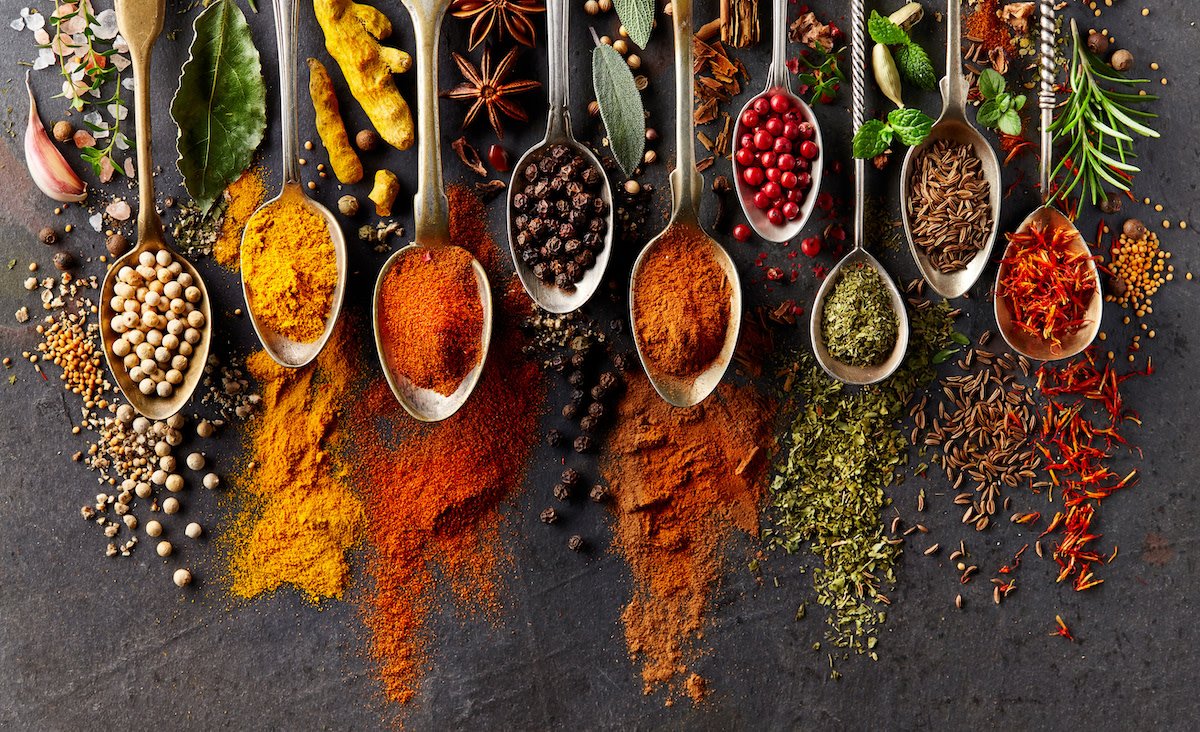
Walking into a kitchen without a well-stocked spice rack is like trying to paint a masterpiece with only black and white ink. Spices are the soul of cooking, transforming humble ingredients into extraordinary meals with just a pinch or a dash. Whether you are a beginner cook or a seasoned home chef, knowing the essential spices for every kitchen is the first step toward culinary independence. These ten must-have spices provide a foundation for global flavors, offering heat, depth, and aromatic warmth. Let’s explore the pantry staples that will elevate your cooking from bland to brilliant and ensure your dishes always pack a flavorful punch.
1. Black Peppercorns: The King of Spices
Freshly cracked black pepper provides a sharp, woody heat that pre-ground versions simply cannot match. It is the most fundamental of the essential spices for every kitchen, acting as a flavor enhancer for meats, vegetables, and even some unexpected desserts like strawberries or chocolate.
2. Fine Sea Salt or Kosher Salt
While technically a mineral, salt is the most vital seasoning you own. It doesn’t just make food salty; it unlocks the chemical compounds of other ingredients, making flavors pop. Use Kosher salt for seasoning meat and fine sea salt for baking and general stovetop cooking.
3. Cumin: The Earthy Foundation
Cumin is indispensable for Mexican, Middle Eastern, and Indian cuisines. Its warm, nutty, and slightly smoky profile adds instant depth to chili, taco seasoning, and curries. For the best flavor, buy whole seeds and toast them briefly in a dry pan before grinding.
4. Smoked Paprika: Instant Depth
Unlike its sweet or hot cousins, smoked paprika (Pimentón) offers a rich, oak-smoked aroma. It provides a beautiful red hue and a campfire-like depth to roasted potatoes, deviled eggs, and dry rubs without requiring hours of slow-cooking or actual wood smoke.
5. Cinnamon: More Than Just Dessert
While famous for snickerdoodles and pumpkin lattes, cinnamon is a powerhouse in savory dishes. A small pinch adds a mysterious warmth to Moroccan tagines, Greek moussaka, and rich beef stews. It bridges the gap between sweet and savory perfectly in any spice collection.
6. Garlic Powder: The Ultimate Convenience
Fresh garlic is wonderful, but garlic powder is a kitchen workhorse for high-heat roasting and dry rubs where fresh cloves might burn. It distributes flavor evenly through sauces and coatings, providing that savory “umami” punch that makes everything taste more professional.
7. Dried Oregano: The Herbaceous Staple
Oregano is one of the few herbs that often tastes better dried than fresh. Its pungent, slightly bitter, and earthy flavor is the backbone of Italian-American and Greek cooking. It is the secret to a great pizza sauce and a classic vinaigrette.
8. Crushed Red Pepper Flakes
If you enjoy a bit of heat, red pepper flakes are a must. They allow you to control the spice level of a dish easily. Sprinkle them into hot oil at the start of a sauté to infuse the entire meal with a gentle, lingering warmth.
9. Turmeric: The Golden Healer
Turmeric is prized for its vibrant yellow color and mild, earthy bitterness. While famous for its health benefits, it is also essential for authentic-tasting curries and rice dishes. A little goes a long way in providing a beautiful glow and a subtle aromatic base.
10. Ground Ginger: Zesty and Sharp
Ground ginger provides a spicy, floral note that is more concentrated than fresh ginger. It is a staple in Asian-inspired stir-fries, gingersnaps, and warm winter beverages. It adds a refreshing “zing” that cuts through the richness of heavy meats or sweet glazes.
11. Storing Spices for Maximum Potency
To keep your essential spices for every kitchen fresh, store them in a cool, dark place away from the stove. Heat and light are the enemies of flavor, causing the volatile oils in your spices to dissipate quickly, leaving them tasting like sawdust.
12. Buying Whole vs. Ground
Whenever possible, buy whole spices like peppercorns, cumin seeds, and coriander. Whole spices have a much longer shelf life and provide a vastly superior flavor profile when toasted and ground immediately before use compared to pre-ground powders that have sat on shelves.
13. The Art of Toasting Spices
Toasting whole spices in a dry skillet for 2–3 minutes over medium heat “awakens” their essential oils. You will know they are ready when they become incredibly fragrant. This simple step can make a $5 grocery store meal taste like a gourmet restaurant dish.
14. Creating Your Own Spice Blends
Once you have these ten essentials, you can stop buying expensive pre-made mixes. Combine cumin, paprika, and garlic powder for a taco seasoning, or mix cinnamon and ginger for a baking spice. Creating your own blends allows you to control the salt and heat levels.
15. Checking for Spices’ Freshness
Spices don’t necessarily “go bad” in a way that makes you sick, but they do lose potency. Perform a “sniff test”: if you rub a bit of the spice in your palm and can’t smell a strong aroma, it’s time to replace it.
16. Organizing Your Spice Drawer
A well-organized spice rack encourages creativity. Group your spices by cuisine or frequency of use. If your essential spices for every kitchen are easy to reach and see, you are more likely to experiment with new flavor combinations while cooking.
17. The Importance of Layering Spices
Don’t just season at the end. Add hearty spices like cumin and turmeric early in the cooking process to build a base. Save delicate spices or finishing salts for the very end to preserve their bright, punchy characteristics and nuanced aromas.
18. Using Spices in Liquid Bases
Spices are often fat-soluble, meaning their flavor expands best when cooked in oil or butter. When making a soup or stew, sauté your spices with your onions and garlic before adding the broth to ensure the flavor permeates the entire liquid base.
19. Balancing Flavors with Spices
If a dish feels “flat,” it might need more than just salt. A pinch of cinnamon can add warmth to a sour sauce, while a dash of ginger can brighten up a heavy, fatty dish. Spices are the tools used to achieve a balanced palate.
20. Essential Tools for Spice Lovers
To make the most of your spices, invest in a small mortar and pestle or a dedicated electric spice grinder. These tools allow you to process whole seeds into fresh powder in seconds, ensuring that the flavor remains at its absolute peak.
SEO Meta Description
Discover the 10 essential spices for every kitchen that every home cook needs. Learn how to store, use, and blend these must-have spices to elevate your cooking.
Focus Keywords
- Essential spices for every kitchen
- Must-have spices
- Kitchen pantry staples
- Spice rack essentials
- Best spices for cooking
- How to use spices
FAQ Section
Q: How long do dried spices actually last? A: Generally, ground spices last 6–12 months, while whole spices can stay fresh for 2–3 years if stored properly in airtight containers away from heat and light.
Q: Can I substitute fresh herbs for dried spices? A: Yes, but the ratio matters. Dried spices and herbs are more concentrated. Use 1 teaspoon of dried spices for every 1 tablespoon of fresh herbs called for in a recipe.
Q: What is the best way to organize a spice rack? A: Organize them by frequency of use or alphabetically. The key is visibility; if you can see your essential spices for every kitchen, you will use them more often.
Internal Linking Suggestions
- How to Build a Professional Pantry from Scratch: A guide to the grains, oils, and canned goods that complement your spice collection.
- The Beginner’s Guide to International Cuisines: Understanding which spices define flavors from around the globe.
- 5 Homemade Spice Blends to Replace Store-Bought Jars: Easy recipes for taco seasoning, curry powder, and more using your 10 essential spices.
Conclusion
Mastering the use of these ten essential spices for every kitchen is the fastest way to improve your cooking. By keeping these staples on hand, you gain the ability to cook almost any dish from any culture with confidence. Remember to buy in small quantities, store them correctly, and don’t be afraid to experiment. With a well-stocked spice rack, you have everything you need to turn simple ingredients into unforgettable meals.
Leave a Reply