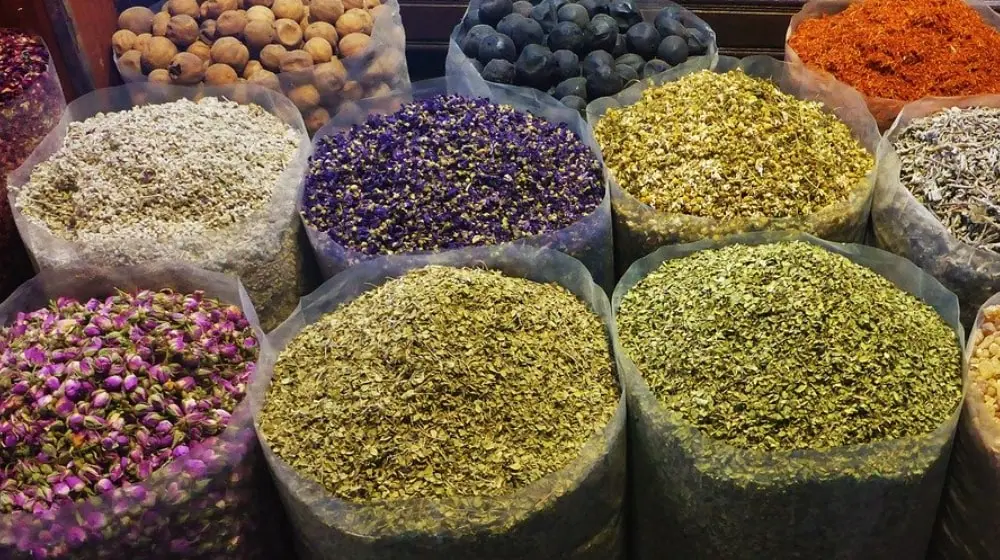
The global culinary landscape is shifting as adventurous palates seek more than just heat; they want authenticity. This surge in demand makes learning the best regional spices to export a lucrative venture for aspiring entrepreneurs. Whether it is the earthy undertones of Kashmiri saffron or the citrusy punch of Sichuan peppercorns, regional spices carry the soul of their origin. Understanding how to start a spice business requires a blend of cultural appreciation, rigorous quality control, and strategic logistics. This guide explores the most sought-after spices worldwide and the essential steps to turn a passion for flavor into a successful international trade.
1. Identify Your Niche Market
Before shipping a single container, define your target audience. Are you selling high-end organic spices to gourmet boutiques or bulk commodities to food manufacturers? Specializing in a specific niche helps you tailor your branding and focus your procurement efforts on the highest-quality regional varieties.
2. Sourcing Premium Turmeric
Turmeric is a global powerhouse, but regional varieties like Lakadong from Meghalaya, India, are prized for high curcumin content. Exporting this specific type allows you to market to the health-conscious sector, commanding a premium price compared to standard culinary turmeric found in supermarkets.
3. The Allure of True Ceylon Cinnamon
Differentiating between Cassia and true Ceylon cinnamon is vital. Sri Lankan cinnamon is thinner, sweeter, and contains lower coumarin levels. Highlighting these regional benefits makes your product more attractive to European and North American markets that prioritize food safety and delicate flavor profiles.
4. Exploring Rare Peppercorns
While black pepper is common, regional stars like Kampot pepper from Cambodia or Tellicherry extra bold from India offer unique terroir. These “vintage” spices are essential for a premium spice business, as chefs and foodies are willing to pay for distinct, traceable origins.
5. Saffron: The Red Gold
Saffron remains the world’s most expensive spice. Sourcing directly from Iran, Spain, or Kashmir ensures authenticity. Because it is highly susceptible to adulteration, providing lab certifications for picrocrocin and safranal levels will build the trust necessary to succeed in the high-stakes export market.
6. Smoked Paprika from Spain
Pimentón de la Vera is a protected regional specialty. Its deep, smoky flavor comes from traditional oak-firing methods. Exporting a spice with a Protected Designation of Origin (PDO) status provides built-in marketing value and reassures international buyers of its traditional processing and quality.
7. Understanding Export Regulations
Every country has strict phytosanitary requirements. You must familiarize yourself with the FDA (USA), EFSA (EU), or similar bodies in your target market. Ensuring your spices meet moisture limits and are free from contaminants like aflatoxins is the most critical step for any exporter.
8. Packaging for Freshness
Spices lose their volatile oils quickly. To maintain quality during long-distance shipping, use vacuum-sealed bags or moisture-proof barrier films. High-quality packaging doesn’t just preserve the aroma; it prevents spoilage and ensures the product arrives in the same condition it left the farm.
9. Obtaining Necessary Certifications
To compete globally, seek certifications like ISO 22000, HACCP, or Organic (USDA/EU). These labels act as a “passport” for your products, proving to international distributors that your spice business adheres to the highest global standards of food safety and ethical sourcing.
10. Building Relationships with Farmers
The most successful exporters work directly with smallholder farmers. This “farm-to-table” approach ensures better price transparency, higher quality control at the source, and a compelling brand story about sustainability and fair trade that resonates deeply with modern, conscious consumers.
11. Logistics and Supply Chain Management
Shipping spices requires careful climate control. Spices are sensitive to humidity and heat, which can lead to mold or loss of flavor. Partnering with a logistics provider experienced in food-grade shipments is essential to prevent your inventory from degrading during transit.
12. Branding and Storytelling
In a crowded market, your story is your USP. Highlight the history of the region, the traditional harvesting methods, and the families behind the crop. A spice business that sells a “culture” rather than just a “powder” will always find a more loyal customer base.
13. Digital Marketing for B2B
Use LinkedIn and trade platforms like Alibaba or Global Sources to find wholesalers. A professional website showcasing your lab results, farm photos, and product specifications is your digital storefront, helping you secure contracts with international spice blenders and retail chains.
14. Managing Price Volatility
Spice prices fluctuate based on weather, geopolitical shifts, and crop yields. Successful exporters use forward contracts or diversify their inventory to mitigate risks. Keeping a close watch on global market trends allows you to adjust your pricing and maintain healthy profit margins.
15. Cardamom: The Queen of Spices
Green cardamom from the Western Ghats of India or the mountains of Guatemala is in high demand for Middle Eastern and Scandinavian cuisines. Focus on “bold” grades (8mm+) for the highest export value, as size and color are the primary quality markers.
SEO Meta Description:
Learn the best regional spices to export and how to start a spice business. Explore sourcing, regulations, and market trends to build a successful global brand.
Focus Keywords:
- Best regional spices to export
- How to start a spice business
- Global spice trade
- Exporting premium spices
- Sourcing authentic spices
- Spice business regulations
FAQ Section:
Q: Which spice is the most profitable to export? A: Saffron and Vanilla beans generally have the highest value per kilogram. However, high-quality “bold” peppercorns and organic turmeric offer more consistent volume and high demand across various industries.
Q: Do I need a license to export spices? A: Yes. You typically need a general export license from your country’s trade department and specific food-grade certifications (like Phytosanitary Certificates) required by the importing country’s customs.
Q: How can I ensure my spices aren’t rejected at customs? A: Always conduct third-party lab testing for pesticides, heavy metals, and microbial content before shipping. Following the specific labeling and packaging guidelines of the destination country is also vital.
Internal Linking Suggestions:
- The Ultimate Guide to Sourcing Organic Ingredients
- Top 10 Global Food Trends for Food Entrepreneurs
- Understanding Food Preservation: From Farm to Export
Conclusion
Starting a spice business is a journey that connects local traditions with the global kitchen. By focusing on the best regional spices to export and maintaining rigorous quality standards, you can build a brand that stands for authenticity and excellence. Success in this industry requires patience, strong relationships with growers, and a deep understanding of international trade laws. With the right strategy, your flavors can truly spice up the world market.
Leave a Reply