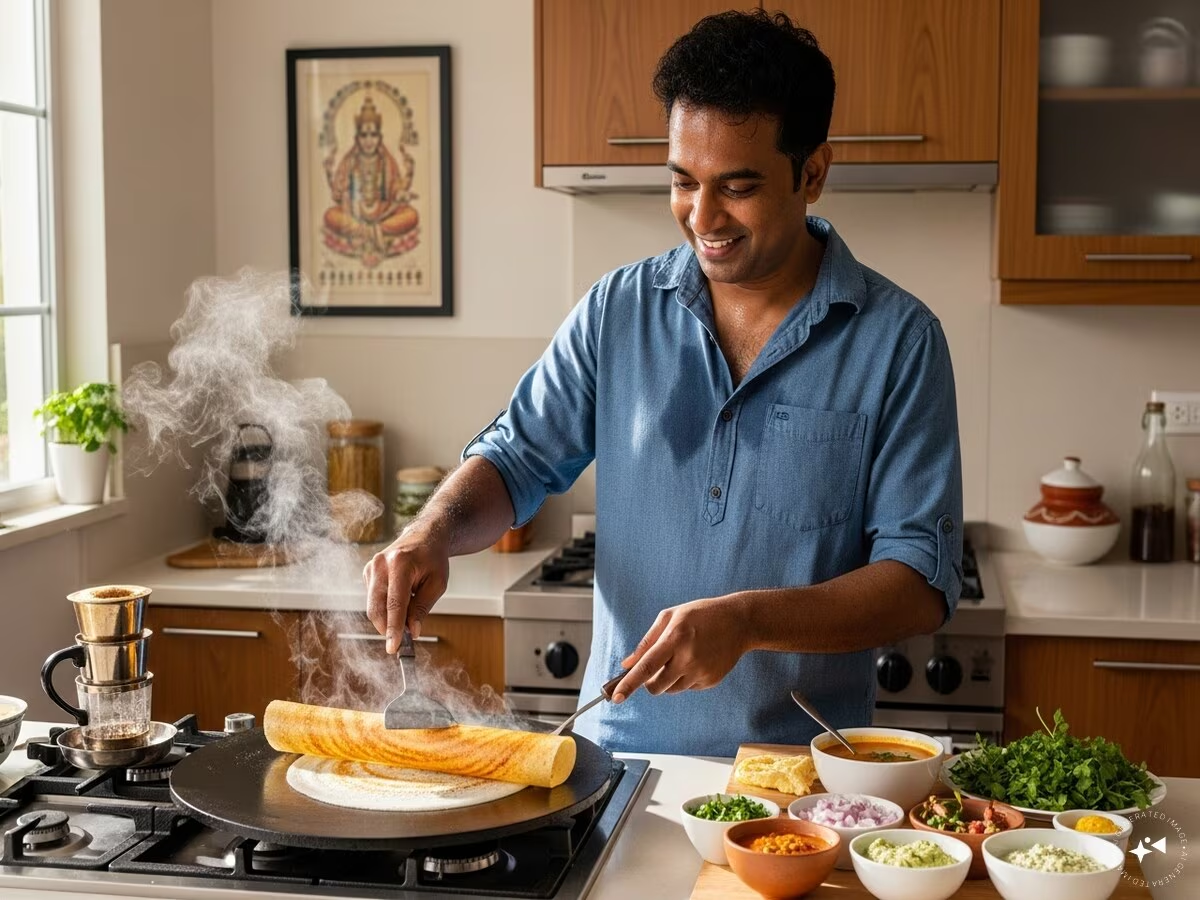
The culinary world is undergoing a massive transformation as the traditional brick-and-mortar restaurant model makes way for a leaner, more profitable alternative. Cloud kitchens, also known as ghost kitchens, have allowed passionate home cooks and savvy entrepreneurs to build empires without the overhead of a physical dining space. By leveraging delivery apps and social media marketing, individuals are turning spare rooms and small commercial rentals into high-output food hubs. These Cloud Kitchen Success Stories aren’t just about food; they are about digital-first branding and operational efficiency. If you’ve ever dreamed of earning millions from home, understanding how these pioneers scaled their businesses is the first step toward your own gastronomic venture.
1. Low Initial Overhead Costs
One of the primary reasons entrepreneurs are seeing massive returns is the drastic reduction in startup capital. Without the need for prime real estate, expensive interior decor, or a front-of-house service team, owners can funnel their entire budget into high-quality ingredients and targeted digital marketing.
2. The Power of Specialized Menus
Success stories often highlight a “less is more” approach. By focusing on a niche—like gourmet sliders or authentic vegan ramen—cloud kitchens can perfect their prep work, reduce food waste, and become the go-to authority for that specific craving in their local area.
3. Mastering Third-Party Delivery Logistics
Earning millions requires a seamless partnership with platforms like UberEats, DoorDash, or local equivalents. Top earners treat these apps as their “digital storefronts,” optimizing their listings with professional photography and high-conversion descriptions to stay at the top of the search results.
4. Leveraging Social Media Virality
Many home-based millionaires started with a single TikTok or Instagram Reel. By showcasing the behind-the-scenes “hustle” and the aesthetic appeal of their packaging, they build a loyal community that orders directly, bypassing high commission fees from delivery aggregators.
5. Data-Driven Menu Engineering
Cloud kitchen pros don’t guess; they track. By analyzing which items are frequently ordered and which have the highest profit margins, they constantly refine their menu. This iterative process ensures that every square inch of kitchen space is dedicated to high-velocity, high-profit sales.
6. Minimal Staffing Requirements
Unlike traditional restaurants that need hosts, servers, and busboys, a cloud kitchen operates with a skeleton crew of skilled prep cooks and packers. This lean staffing model allows the owner to maintain higher margins even during slower seasonal periods.
7. Scaling Through Multi-Branding
A secret to hitting seven-figure revenues is operating multiple “virtual brands” from the same kitchen. One space can produce Italian pasta under one name and wings under another, maximizing the utility of the equipment and capturing different market segments simultaneously.
8. Prioritizing Packaging Excellence
In a ghost kitchen, the packaging is the only physical touchpoint with the customer. Success stories often involve custom, eco-friendly packaging that keeps food at the perfect temperature, ensuring a premium experience that encourages repeat orders and five-star reviews.
9. Strategic Location Selection
While you don’t need a high-street presence, you do need to be within a 3–5 mile radius of a dense population. The most successful kitchens are located in “dark” industrial spaces or residential hubs where delivery demand is consistently high but rent remains low.
10. Rigorous Quality Control
Maintaining consistency is the biggest challenge when scaling. Million-dollar cloud kitchens implement strict Standard Operating Procedures (SOPs) so that a burger delivered on a Tuesday night tastes exactly like the one delivered on a busy Friday afternoon.
11. Subscription and Loyalty Models
To ensure steady cash flow, many home-based entrepreneurs are now offering weekly meal prep subscriptions. This provides a predictable revenue stream that allows for better inventory management and reduces the stress of daily order fluctuations.
12. Investing in Kitchen Automation
As orders scale into the hundreds per day, manual processes become bottlenecks. Successful owners invest in high-speed ovens, automated labeling machines, and integrated POS systems that consolidate orders from multiple delivery apps into one single screen.
13. Hyper-Local SEO Strategies
To dominate a neighborhood, successful kitchens optimize their Google Business Profiles. By appearing in “food near me” searches and gathering local reviews, they build a layer of trust that makes new customers feel comfortable ordering from a brand they’ve never visited.
14. Agile Recipe Development
Cloud kitchens can pivot faster than any traditional restaurant. If a certain ingredient price spikes or a food trend goes viral, these entrepreneurs can update their digital menu in minutes, staying ahead of market shifts and protecting their bottom line.
15. The Importance of Hygiene Certifications
Trust is the currency of the digital food world. Million-dollar earners proudly display their health ratings and kitchen certifications on their websites and social media, reassuring customers that their “home-made” food meets professional-grade safety standards.
16. Effective Inventory Management
Waste is the silent killer of profit. Top-tier operators use software to track every gram of protein and produce, ensuring they are buying only what they need and rotating stock to maintain peak freshness and cost-efficiency.
17. High-Volume Holiday Campaigns
The biggest earners maximize “peak times.” By creating limited-edition holiday bundles or “game day” platters, cloud kitchens can generate a month’s worth of revenue in a single weekend by catering to large groups and parties.
18. Customer Feedback Loops
Responding to every digital review—good or bad—is a hallmark of successful cloud kitchen owners. They use negative feedback to fix operational gaps and positive feedback to identify which “star” dishes should be featured in their advertising.
19. Building a Direct-to-Consumer Site
While apps provide the traffic, direct websites provide the profit. By offering a small discount for ordering through their own site, owners save on the 20-30% commission fees charged by delivery giants, significantly boosting their take-home pay.
20. Efficient Workflow Design
A million-dollar kitchen is designed for speed. From the “station” layout to the packing area, every step is calculated to minimize movement and maximize output, ensuring that orders are ready for drivers within 10–12 minutes of being placed.
SEO Meta Description
Discover inspiring Cloud Kitchen Success Stories of entrepreneurs earning millions from home. Learn how to scale a ghost kitchen with low overhead and high profit.
Focus Keywords
- Cloud Kitchen Success Stories
- Ghost Kitchen Profitability
- Home-based Food Business
- Digital Restaurant Marketing
- Virtual Brand Scaling
- Food Delivery Trends 2026
- Kitchen Menu Engineering
FAQ Section
Q: Can I really start a cloud kitchen from my home? A: Yes, many successful entrepreneurs start in home kitchens, provided they meet local health department regulations and zoning laws for food production.
Q: How much capital do I need to start? A: Start-up costs are significantly lower than traditional restaurants, often ranging from $5,000 to $20,000 depending on equipment needs and marketing budget.
Q: Which food niches are most profitable? A: High-margin items like burgers, pizza, pasta, and specialized health bowls tend to perform best in the delivery-only model.
Internal Linking Suggestions
- Top 10 High-Margin Food Ideas for 2026
- How to Design the Perfect Delivery-Only Menu
- The Ultimate Guide to Packaging for Food Delivery
Conclusion
The rise of the virtual eatery has leveled the playing field for culinary entrepreneurs. These Cloud Kitchen Success Stories prove that with the right mix of niche branding, operational discipline, and digital savvy, it is entirely possible to generate millions without a traditional storefront. By focusing on customer experience and lean operations, you can turn your kitchen into a high-growth asset. Start small, optimize your data, and prepare to scale in the thriving world of ghost kitchens.
Leave a Reply