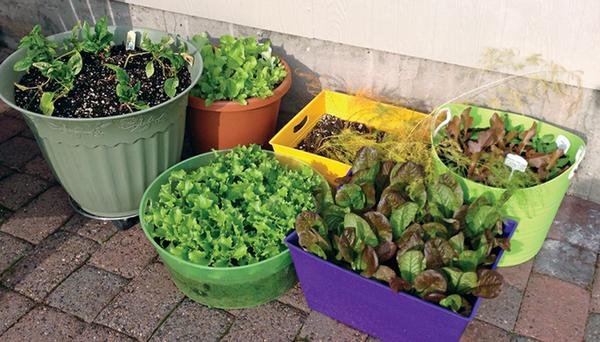
There is something deeply satisfying about plucking a crisp, sun-warmed tomato right off the vine and bringing it straight to your kitchen table. You don’t need an expansive backyard or a rural homestead to experience this; organic farming at home is entirely possible using just a few well-placed containers. Whether you have a tiny apartment balcony or a sunny windowsill, learning how to grow vegetables in pots allows you to take full control over your food source. By eliminating synthetic pesticides and focusing on soil health, you can produce nutrient-dense, flavorful harvests that are as healthy for the planet as they are for your family.
1. Choosing the Right Containers
Select pots with adequate drainage holes to prevent root rot. While terra cotta looks beautiful, plastic or fabric pots retain moisture better in hot climates. Ensure the size of the container matches the root depth of the specific vegetable you plan to cultivate for maximum growth.
2. The Importance of Organic Potting Mix
Never use garden soil in pots, as it compacts and restricts airflow. Instead, use a high-quality organic potting mix containing peat moss, perlite, and compost. This ensures a lightweight structure that provides the necessary aeration and drainage for delicate container-bound root systems.
3. Sunlight Requirements for Pot Gardening
Most vegetables need at least six to eight hours of direct sunlight daily. Observe your space throughout the day to identify “hot spots.” If you have a shady balcony, focus on leafy greens like spinach or kale, which thrive with less intense light.
4. Selecting High-Yield Varieties
For successful organic farming at home, choose “bush” or “determinate” varieties specifically bred for small spaces. Cherry tomatoes, Persian cucumbers, and patio peppers are engineered to produce high yields without requiring the massive footprint of their traditional garden counterparts.
5. Essential Drainage Techniques
Good drainage is the secret to healthy pot-grown vegetables. Avoid placing a layer of rocks at the bottom, as this can actually raise the water table. Instead, ensure the drainage holes are clear and use a potting medium that allows water to flow through freely.
6. Organic Fertilization Strategies
Potted plants lose nutrients quickly through frequent watering. Feed your vegetables every two weeks with organic liquid seaweed or compost tea. These natural amendments provide essential micronutrients without the harsh chemical salts found in synthetic fertilizers that can damage soil microbes.
7. Mastering the Finger Test for Watering
Overwatering is the primary cause of plant death in container gardening. Use the “finger test”: stick your finger two inches into the soil. If it feels dry, it’s time to water; if it’s moist, wait another day to prevent drowning the roots.
8. The Role of Companion Planting
Even in pots, companion planting works wonders. Planting marigolds alongside tomatoes helps deter pests naturally, while basil can improve the flavor of neighboring peppers. This biological diversity creates a mini-ecosystem that strengthens your organic home farm against diseases and infestations.
9. Utilizing Vertical Space
If floor space is limited, grow upward. Use trellises or stakes within your pots for climbing plants like peas, pole beans, and small squash. Vertical gardening increases your harvest per square foot and improves air circulation around the foliage.
10. Natural Pest Management
In organic farming at home, avoid toxic sprays. Instead, use neem oil or a mild soap solution to handle aphids and mites. Encouraging beneficial insects like ladybugs or simply hand-picking larger caterpillars are effective, eco-friendly ways to protect your precious crops.
11. Regulating Soil Temperature
Containers can overheat quickly in mid-summer, baking the roots. Use light-colored pots to reflect heat or wrap dark containers in burlap. Mulching the top of the soil with straw or wood chips also helps maintain a consistent, cool root temperature.
12. Growing Organic Herbs in Small Pots
Herbs are the easiest entry point for beginners. Rosemary, thyme, and mint thrive in small pots and require minimal maintenance. Having fresh, organic herbs just steps from your stove elevates your cooking while saving money on expensive, plastic-packaged grocery store versions.
13. Understanding PH Levels
Organic vegetables thrive in slightly acidic soil, generally between 6.0 and 7.0. You can buy simple home testing kits to check your potting mix. Adding organic lime or sulfur can help adjust the pH, ensuring your plants can actually absorb the nutrients provided.
14. Succession Planting for Constant Harvests
Don’t plant everything at once. By sowing a few seeds every two weeks, you ensure a continuous supply of vegetables rather than a single overwhelming harvest. This is particularly effective for salad greens, radishes, and green onions in small containers.
15. The Benefits of Fabric Grow Bags
Fabric pots are excellent for organic farming because they “air prune” roots. When roots reach the side of the bag, they stop growing rather than circling the pot. This encourages a dense, fibrous root system that absorbs nutrients much more efficiently.
16. Proper Air Circulation
Crowding pots too closely together creates a humid environment where fungus and powdery mildew thrive. Leave a few inches between your containers to allow breezes to pass through. This simple step is one of the best ways to prevent disease organically.
17. Sourcing Organic Seeds
True organic farming begins with the seed. Look for “USDA Organic” or “Non-GMO Project Verified” labels. These seeds are harvested from plants grown without synthetic chemicals, ensuring your home garden stays pure from the very first day of germination.
18. Harvesting at the Peak
For the best flavor and nutrition, harvest your vegetables early in the morning when their water content is highest. Regular harvesting often encourages the plant to produce more fruit, extending the life of your container garden throughout the growing season.
19. Using Recycled Household Items
You don’t need fancy pots to start. Old 5-gallon buckets, wooden crates, or even sturdy food-grade tubs make excellent containers. Just be sure to scrub them thoroughly and drill plenty of drainage holes before adding your organic soil and seeds.
20. Winterizing Your Container Garden
When temperatures drop, many potted vegetables can be moved indoors or into a garage. If you’re growing perennials like kale or herbs, wrap the pots in bubble wrap to insulate the roots against frost, allowing your organic farm to survive the winter.
SEO Meta Description: Learn organic farming at home with our guide on how to grow vegetables in pots. Discover tips on soil, sunlight, and pest control for a thriving balcony garden.
Focus Keywords:
- Organic farming at home
- How to grow vegetables in pots
- Container gardening for beginners
- Organic potting mix
- Small space vegetable gardening
- Homegrown organic produce
FAQ Section:
- Can I grow any vegetable in a pot? Most vegetables have “dwarf” or “patio” varieties suited for pots. While large crops like corn are difficult, tomatoes, peppers, greens, and beans thrive in containers.
- How often should I water my potted vegetables? Potted plants dry out faster than those in the ground. During peak summer, you may need to water daily, but always check the soil moisture first.
- Do I need to use organic fertilizer? Yes, for true organic farming, use compost, fish emulsion, or seaweed extracts. These build soil health rather than just feeding the plant chemicals.
Internal Linking Suggestions:
- Top 10 Easiest Herbs to Grow in Your Kitchen Window
- The Beginner’s Guide to Composting in an Apartment
- 15 Fresh Salad Recipes Using Homegrown Vegetables
Conclusion
Starting an organic farm at home is a rewarding journey that connects you with the food you eat. By mastering how to grow vegetables in pots, you bypass the need for a large backyard and expensive equipment. Focus on quality soil, consistent watering, and natural pest control to ensure a healthy harvest. With a little patience and care, your small-space garden will provide fresh, organic produce that tastes far better than anything from a store.
Leave a Reply