Category: Blog

Your blog category

  • Review: Most Overrated Food Trends: Foods That Are a Waste of Money

    Review: Most Overrated Food Trends: Foods That Are a Waste of Money

    In the age of viral social media clips and perfectly staged Instagram photos, we often find ourselves chasing the next big culinary sensation. However, not every dish that looks stunning behind a filter actually delivers on flavor or value. Many of the most overrated food trends have become more about the “clout” than the actual kitchen craft, leading consumers to spend a premium on items that leave them underwhelmed. From gold-plated snacks to impractical presentation styles, it is time to peel back the curtain. This review dives deep into which foods are a waste of money and why your palate—and your wallet—deserve better.


    1. Gold Leaf Everything

    Adding 24-karat edible gold to burgers or ice cream is the ultimate example of a “flex” with zero flavor payoff. Gold is tasteless and odorless; it adds nothing to the culinary experience. You are essentially paying a massive markup for a shiny photo that offers no nutritional or gastronomic value.

    2. Deconstructed Dishes

    When you order a cheesecake, you expect a slice, not a pile of crumbs and a dollop of cream separated on a wooden board. Deconstructed dishes often feel like an excuse for the chef to do less work while charging you more for the “artistic” inconvenience of assembling your own meal.

    3. Charcoal-Infused Foods

    The “goth” food trend saw everything from pizza crusts to lattes turned pitch black with activated charcoal. While visually striking, charcoal can actually interfere with medications and has a gritty texture. Often, the earthy, slightly burnt taste isn’t worth the potential health risks or the high price tag.

    4. Over-the-Top Milkshakes

    Freakshakes topped with entire slices of cake, sparklers, and candy necklaces look great on TikTok but are impossible to eat. By the time you navigate the toppings, the shake is melted. It is a sugary, sticky mess that prioritizes “the look” over a balanced, enjoyable dessert experience.

    5. Truffle Oil (Synthetic)

    Real truffles are a delicacy, but most “truffle” fries or pizzas use synthetic truffle oil made from chemicals like 2,4-dithiapentane. It offers a one-dimensional, overpowering aroma that masks the flavor of the actual food. Paying extra for a lab-created scent is rarely a wise investment for foodies.

    6. Rainbow-Colored Breads

    The unicorn and rainbow trend turned bagels and grilled cheese into neon experiments. These items usually rely heavily on food coloring, which can sometimes leave a bitter aftertaste. Ultimately, a rainbow bagel tastes exactly like a plain bagel but costs twice as much for the novelty.

    7. Excessive Bloody Mary Garnishes

    A cocktail that comes with a whole fried chicken, sliders, and shrimp skewers attached to it is no longer a drink; it’s a precarious balancing act. The garnishes usually get cold and soggy sitting over the ice, making this a pricey gimmick that ruins both the meal and the drink.

    8. Avocado Toast Markups

    While avocado toast is delicious, paying $20 at a café for a single slice of bread and half an avocado is a classic waste of money. It is one of the easiest dishes to make at home with better ingredients, yet it remains one of the most overpriced brunch items.

    9. Cereal Cafés

    Paying a premium for a bowl of mass-produced cereal you can buy at any grocery store is a trend that lacks substance. While the nostalgia factor is high, the markup on a bowl of milk and flakes is astronomical considering the zero-effort preparation involved.

    10. Giant Food Challenges

    Massive burgers or 5-pound burritos are designed for views, not for quality. When food is prepared at that scale, cooking temperatures are often uneven, and the ingredients are usually lower quality to keep costs down. It’s a quantity-over-quality trap that leads to massive food waste.

    11. Cloud Bread

    This viral trend uses egg whites and cornstarch to create a fluffy, colorful “bread.” In reality, it lacks the structure and satisfying chew of real bread. It tastes mostly of baked eggs and air, making it a disappointing substitute that only exists for the “squish” videos.

    12. Foam on Everything

    Molecular gastronomy brought us foams, which can be lovely when used sparingly. However, many restaurants now top every dish with a “savory air” that disappears in seconds. Paying for a flavor that vanishes before it hits your tongue often feels like paying for nothing.

    13. Bloody Steaks (The “Blue” Trend)

    While steak preference is subjective, the trend of eating meat that is barely seared and cold in the middle can be a waste of a high-quality cut. Without proper fat rendering, you miss out on the flavor and tenderness that makes a premium steak worth the price.

    14. Pre-Packaged “Aperitivo” Boards

    Many restaurants charge high prices for charcuterie boards featuring standard deli meats and generic crackers. Unless the meats are house-cured or the cheeses are rare, you are often paying a 300% markup for someone to arrange grocery store items on a slate board.

    15. Bone Broth Hype

    Bone broth is essentially well-made stock. While nutritious, the trend of selling small cups of it for the price of a full meal is excessive. It is a staple cooking ingredient rebranded as a “superfood” to justify a price point that doesn’t match the cost of ingredients.

    16. Sushi Burritos

    The sushi burrito combines two greats but often fails at both. The ratio of rice to fish is usually skewed toward cheap filler, and the structural integrity fails after the first bite. You lose the delicate balance of traditional sushi for a clumsy, overpriced wrap.

    17. Edible Flowers

    While beautiful, edible flowers often have a soapy or bitter taste. They are frequently used to justify a higher price for a salad or dessert, yet most diners push them to the side of the plate. It is a decorative cost passed directly to the consumer.


    SEO Meta Description

    Discover the most overrated food trends that are a waste of money. From gold leaf to freakshakes, learn which viral culinary fads are not worth your hard-earned cash.

    Focus Keywords

    • Most overrated food trends
    • Foods that are a waste of money
    • Overpriced food trends
    • Viral food fads review
    • Culinary trends to avoid
    • Most expensive food gimmicks

    FAQ Section

    Q: Why are viral food trends so expensive? A: Prices are often driven by “Instagrammability.” Restaurants charge a premium for the labor of presentation and the novelty factor, even if the ingredients themselves are inexpensive.

    Q: Is truffle oil always a waste of money? A: If it is synthetic (which most are), yes. However, if a restaurant uses real truffle shavings or high-quality infused oils, the flavor profile is significantly better and may justify the cost.

    Q: How can I tell if a food trend is worth trying? A: Look for trends that focus on flavor techniques or high-quality ingredients rather than just visual gimmicks. If the “wow” factor is purely visual, it’s likely overrated.

    Internal Linking Suggestions

    1. The Ultimate Guide to Budget-Friendly Gourmet Cooking at Home
    2. Top 10 Authentic Street Foods That Are Actually Worth Every Penny
    3. How Social Media is Changing the Way We Eat: The Rise of Aesthetic Dining

    Conclusion

    Navigating the modern culinary landscape requires a bit of skepticism. While it is fun to participate in viral moments, many of the most overrated food trends prioritize “the gram” over the gut. By focusing on authentic flavors, quality ingredients, and fair pricing, you can enjoy a much more satisfying dining experience. Don’t be afraid to skip the gold leaf and the charcoal—your taste buds and your bank account will thank you.
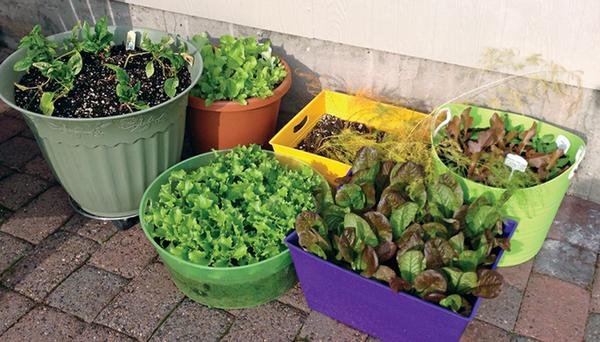

  • Organic Farming at Home: How to Grow Vegetables in Pots

    Organic Farming at Home: How to Grow Vegetables in Pots

    There is something deeply satisfying about plucking a crisp, sun-warmed tomato right off the vine and bringing it straight to your kitchen table. You don’t need an expansive backyard or a rural homestead to experience this; organic farming at home is entirely possible using just a few well-placed containers. Whether you have a tiny apartment balcony or a sunny windowsill, learning how to grow vegetables in pots allows you to take full control over your food source. By eliminating synthetic pesticides and focusing on soil health, you can produce nutrient-dense, flavorful harvests that are as healthy for the planet as they are for your family.


    1. Choosing the Right Containers

    Select pots with adequate drainage holes to prevent root rot. While terra cotta looks beautiful, plastic or fabric pots retain moisture better in hot climates. Ensure the size of the container matches the root depth of the specific vegetable you plan to cultivate for maximum growth.

    2. The Importance of Organic Potting Mix

    Never use garden soil in pots, as it compacts and restricts airflow. Instead, use a high-quality organic potting mix containing peat moss, perlite, and compost. This ensures a lightweight structure that provides the necessary aeration and drainage for delicate container-bound root systems.

    3. Sunlight Requirements for Pot Gardening

    Most vegetables need at least six to eight hours of direct sunlight daily. Observe your space throughout the day to identify “hot spots.” If you have a shady balcony, focus on leafy greens like spinach or kale, which thrive with less intense light.

    4. Selecting High-Yield Varieties

    For successful organic farming at home, choose “bush” or “determinate” varieties specifically bred for small spaces. Cherry tomatoes, Persian cucumbers, and patio peppers are engineered to produce high yields without requiring the massive footprint of their traditional garden counterparts.

    5. Essential Drainage Techniques

    Good drainage is the secret to healthy pot-grown vegetables. Avoid placing a layer of rocks at the bottom, as this can actually raise the water table. Instead, ensure the drainage holes are clear and use a potting medium that allows water to flow through freely.

    6. Organic Fertilization Strategies

    Potted plants lose nutrients quickly through frequent watering. Feed your vegetables every two weeks with organic liquid seaweed or compost tea. These natural amendments provide essential micronutrients without the harsh chemical salts found in synthetic fertilizers that can damage soil microbes.

    7. Mastering the Finger Test for Watering

    Overwatering is the primary cause of plant death in container gardening. Use the “finger test”: stick your finger two inches into the soil. If it feels dry, it’s time to water; if it’s moist, wait another day to prevent drowning the roots.

    8. The Role of Companion Planting

    Even in pots, companion planting works wonders. Planting marigolds alongside tomatoes helps deter pests naturally, while basil can improve the flavor of neighboring peppers. This biological diversity creates a mini-ecosystem that strengthens your organic home farm against diseases and infestations.

    9. Utilizing Vertical Space

    If floor space is limited, grow upward. Use trellises or stakes within your pots for climbing plants like peas, pole beans, and small squash. Vertical gardening increases your harvest per square foot and improves air circulation around the foliage.

    10. Natural Pest Management

    In organic farming at home, avoid toxic sprays. Instead, use neem oil or a mild soap solution to handle aphids and mites. Encouraging beneficial insects like ladybugs or simply hand-picking larger caterpillars are effective, eco-friendly ways to protect your precious crops.

    11. Regulating Soil Temperature

    Containers can overheat quickly in mid-summer, baking the roots. Use light-colored pots to reflect heat or wrap dark containers in burlap. Mulching the top of the soil with straw or wood chips also helps maintain a consistent, cool root temperature.

    12. Growing Organic Herbs in Small Pots

    Herbs are the easiest entry point for beginners. Rosemary, thyme, and mint thrive in small pots and require minimal maintenance. Having fresh, organic herbs just steps from your stove elevates your cooking while saving money on expensive, plastic-packaged grocery store versions.

    13. Understanding PH Levels

    Organic vegetables thrive in slightly acidic soil, generally between 6.0 and 7.0. You can buy simple home testing kits to check your potting mix. Adding organic lime or sulfur can help adjust the pH, ensuring your plants can actually absorb the nutrients provided.

    14. Succession Planting for Constant Harvests

    Don’t plant everything at once. By sowing a few seeds every two weeks, you ensure a continuous supply of vegetables rather than a single overwhelming harvest. This is particularly effective for salad greens, radishes, and green onions in small containers.

    15. The Benefits of Fabric Grow Bags

    Fabric pots are excellent for organic farming because they “air prune” roots. When roots reach the side of the bag, they stop growing rather than circling the pot. This encourages a dense, fibrous root system that absorbs nutrients much more efficiently.

    16. Proper Air Circulation

    Crowding pots too closely together creates a humid environment where fungus and powdery mildew thrive. Leave a few inches between your containers to allow breezes to pass through. This simple step is one of the best ways to prevent disease organically.

    17. Sourcing Organic Seeds

    True organic farming begins with the seed. Look for “USDA Organic” or “Non-GMO Project Verified” labels. These seeds are harvested from plants grown without synthetic chemicals, ensuring your home garden stays pure from the very first day of germination.

    18. Harvesting at the Peak

    For the best flavor and nutrition, harvest your vegetables early in the morning when their water content is highest. Regular harvesting often encourages the plant to produce more fruit, extending the life of your container garden throughout the growing season.

    19. Using Recycled Household Items

    You don’t need fancy pots to start. Old 5-gallon buckets, wooden crates, or even sturdy food-grade tubs make excellent containers. Just be sure to scrub them thoroughly and drill plenty of drainage holes before adding your organic soil and seeds.

    20. Winterizing Your Container Garden

    When temperatures drop, many potted vegetables can be moved indoors or into a garage. If you’re growing perennials like kale or herbs, wrap the pots in bubble wrap to insulate the roots against frost, allowing your organic farm to survive the winter.


    SEO Meta Description: Learn organic farming at home with our guide on how to grow vegetables in pots. Discover tips on soil, sunlight, and pest control for a thriving balcony garden.

    Focus Keywords:

    • Organic farming at home
    • How to grow vegetables in pots
    • Container gardening for beginners
    • Organic potting mix
    • Small space vegetable gardening
    • Homegrown organic produce

    FAQ Section:

    • Can I grow any vegetable in a pot? Most vegetables have “dwarf” or “patio” varieties suited for pots. While large crops like corn are difficult, tomatoes, peppers, greens, and beans thrive in containers.
    • How often should I water my potted vegetables? Potted plants dry out faster than those in the ground. During peak summer, you may need to water daily, but always check the soil moisture first.
    • Do I need to use organic fertilizer? Yes, for true organic farming, use compost, fish emulsion, or seaweed extracts. These build soil health rather than just feeding the plant chemicals.

    Internal Linking Suggestions:

    1. Top 10 Easiest Herbs to Grow in Your Kitchen Window
    2. The Beginner’s Guide to Composting in an Apartment
    3. 15 Fresh Salad Recipes Using Homegrown Vegetables

    Conclusion

    Starting an organic farm at home is a rewarding journey that connects you with the food you eat. By mastering how to grow vegetables in pots, you bypass the need for a large backyard and expensive equipment. Focus on quality soil, consistent watering, and natural pest control to ensure a healthy harvest. With a little patience and care, your small-space garden will provide fresh, organic produce that tastes far better than anything from a store.

  • Hidden Food Gems in My City: Affordable and Great Food Near You

    Hidden Food Gems in My City: Affordable and Great Food Near You

    Finding a meal that balances cost and quality can feel like a daunting task in a world of rising prices and flashy tourist traps. However, the true soul of any culinary scene isn’t found in five-star hotels, but in the tucked-away corners of our neighborhoods. This guide is dedicated to uncovering the hidden food gems in my city: affordable and great food near you that locals usually keep secret. From hole-in-the-wall bakeries to unassuming family-run bistros, we are exploring the spots where the flavor far exceeds the bill. Get ready to discover your new favorite budget-friendly dining destinations.


    1. The Value of the “Hole-in-the-Wall”

    Don’t let a weathered storefront deter you. Often, the best hidden food gems invest their entire budget into high-quality ingredients rather than expensive interior design. These spots offer authentic flavors that commercial chains simply cannot replicate at a fraction of the market price.

    2. Why Proximity Matters for Freshness

    Searching for great food near you isn’t just about convenience; it’s about community turnover. Neighborhood spots often source daily from local markets. High foot traffic in residential areas ensures that the ingredients on your plate are fresh, seasonal, and vibrant.

    3. Mastering the Lunch Special

    Many high-end eateries offer “hidden” lunch menus that are significantly cheaper than their dinner counterparts. Checking for mid-day deals is the ultimate hack for enjoying gourmet-level cuisine while staying within a strict “affordable food” budget during the work week.

    4. Exploring Ethnic Enclaves

    The most authentic and affordable meals are often found in immigrant neighborhoods. Whether it’s hand-pulled noodles or street-style tacos, these areas provide a cultural immersion and culinary excellence that beats any fusion restaurant in the trendy downtown district.

    5. Follow the Local Crowds

    If you see a line of locals—not tourists—at a small stand, join it. Residents know where the value is. Consistent queues at an unassuming spot are the most reliable indicator of a “great food” destination that offers quality consistency.

    6. The Charm of Family-Run Diners

    Family-owned establishments often have lower overhead and a deep passion for their craft. You aren’t just a customer there; you’re a guest. These spots often serve large portions of “comfort food” that provide incredible value for your money.

    7. Food Trucks: The Mobile Gems

    Don’t overlook the kitchen on wheels. Food trucks are the incubators for the city’s next top chefs. Because they lack the rent costs of a brick-and-mortar building, they can offer innovative, chef-driven dishes at very competitive, affordable price points.

    8. Digital Maps and Keyword Hacks

    When searching for hidden food gems, use specific keywords on map apps like “authentic,” “traditional,” or “cash only.” These terms often filter out the major chains and highlight the independent shops that rely on word-of-mouth rather than massive advertising budgets.

    9. Social Media “Foodie” Communities

    Join local Facebook groups or follow hyper-local food bloggers. These enthusiasts spend their time hunting for the next big thing. They often post about soft openings or “off-the-menu” items at affordable prices that the general public hasn’t discovered yet.

    10. The Magic of Night Markets

    If your city hosts night markets, go early. These hubs are perfect for sampling multiple small plates from different vendors. It is the most cost-effective way to experience a wide variety of “great food” in a single evening.

    11. University District Dining

    College students are the masters of finding cheap eats. Explore the streets surrounding local universities. You’ll find diverse, filling, and budget-friendly options ranging from giant pizza slices to nutritious grain bowls designed to fit a student’s modest budget.

    12. Industrial Park Cafeterias

    It sounds strange, but some of the best sandwiches and soups are hidden in industrial parks or office complexes. These spots cater to workers who need hearty, quick, and affordable meals, often featuring “homemade” specials that change every single day.

    13. Bakeries After Dark

    Many local bakeries offer significant discounts in the final hour before closing. You can snag artisanal sourdough, pastries, or savory pies for half the price. It’s a sustainable way to enjoy premium baked goods while supporting local small businesses.

    14. Weekend Farmers’ Markets

    Farmers’ markets are more than just produce; they are hotspots for ready-to-eat meals. Many vendors test new concepts here. You get to eat food made with the freshest possible ingredients directly from the person who grew or cooked it.

    15. The “Cash-Only” Advantage

    In a digital world, places that remain “cash only” often do so to keep prices low. These institutions are frequently the most legendary hidden gems in a city, focusing on tradition and value over modern payment conveniences or flashy tech.

    16. Seasonal Menu Rotations

    Great food is often seasonal. Restaurants that change their menu based on what is currently available at the market can keep costs down. When ingredients are in peak season, they are both cheaper for the chef and tastier for the diner.

    17. Shared Plates and Tapas Style

    Dining with friends? Look for places that emphasize sharing. Ordering a variety of small plates allows everyone to taste more for less. This “tapas” approach is a social and economical way to explore a restaurant’s full range.

    18. Breakfast for Dinner

    Diners that serve all-day breakfast are the unsung heroes of affordable dining. Eggs, pancakes, and local breakfast meats are relatively inexpensive to produce, allowing these gems to offer massive, satisfying meals at any time of the day or night.

    19. Pop-Up Kitchens in Bars

    Many local craft breweries or bars don’t have their own kitchens. Instead, they host rotating “pop-up” chefs. This is a fantastic way to find experimental, high-quality food in a relaxed atmosphere without the “fine dining” price tag or dress code.

    20. Trust the Limited Menu

    A restaurant with only five or ten items usually does those things exceptionally well. By narrowing their focus, they reduce food waste and labor costs, passing those savings on to you while ensuring every dish is a “great food” masterpiece.


    SEO Meta Description: Discover the best hidden food gems in my city! Our guide reveals affordable and great food near you, from secret bakeries to local diners and food trucks.

    Focus Keywords:

    • Hidden food gems
    • Affordable food near me
    • Great food near you
    • Best local eateries
    • Budget-friendly restaurants
    • Cheap eats in my city

    FAQ Section

    Q: How do I find hidden food gems in a new city? A: Start by asking hotel staff or local shopkeepers where they eat lunch. Avoid the main tourist squares and walk two or three blocks into the residential side streets for more authentic and affordable options.

    Q: Is cheap food always safe and high quality? A: Price isn’t always an indicator of safety. Look for high turnover (busy spots) and open kitchens. Many affordable gems use fresh, local ingredients because they are cheaper than processed, imported goods.

    Q: Why are these places called “hidden gems”? A: They are “hidden” because they typically don’t spend money on marketing or prime real estate. Their success is built entirely on community reputation and the quality of the food they serve.


    Internal Linking Suggestions

    1. The Ultimate Guide to Meal Prepping on a Budget: Learn how to save even more by balancing eating out with smart home cooking.
    2. Top 10 Street Foods Around the World: Explore the global versions of the hidden gems we discussed in this article.
    3. How to Review Restaurants Like a Pro: A guide on what to look for when you discover your own hidden culinary treasures.

    Conclusion

    Exploring the culinary landscape of your neighborhood is a rewarding adventure that doesn’t have to break the bank. By looking past the neon signs and focusing on hidden food gems in my city: affordable and great food near you, you support local entrepreneurs and enjoy superior flavors. Remember to step out of your comfort zone, try that unassuming corner shop, and share your findings with others. Happy eating!

  • Cloud Kitchen Success Stories: People Earning Millions from Home

    Cloud Kitchen Success Stories: People Earning Millions from Home

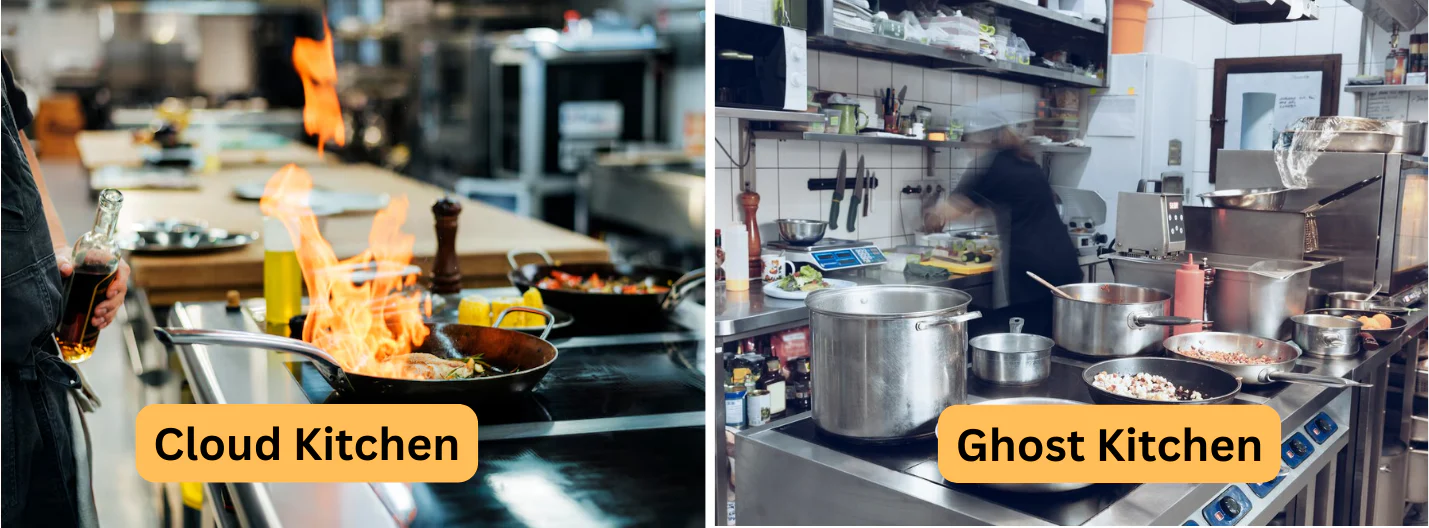
    The culinary world is undergoing a massive transformation as the traditional brick-and-mortar restaurant model makes way for a leaner, more profitable alternative. Cloud kitchens, also known as ghost kitchens, have allowed passionate home cooks and savvy entrepreneurs to build empires without the overhead of a physical dining space. By leveraging delivery apps and social media marketing, individuals are turning spare rooms and small commercial rentals into high-output food hubs. These Cloud Kitchen Success Stories aren’t just about food; they are about digital-first branding and operational efficiency. If you’ve ever dreamed of earning millions from home, understanding how these pioneers scaled their businesses is the first step toward your own gastronomic venture.

    1. Low Initial Overhead Costs

    One of the primary reasons entrepreneurs are seeing massive returns is the drastic reduction in startup capital. Without the need for prime real estate, expensive interior decor, or a front-of-house service team, owners can funnel their entire budget into high-quality ingredients and targeted digital marketing.

    2. The Power of Specialized Menus

    Success stories often highlight a “less is more” approach. By focusing on a niche—like gourmet sliders or authentic vegan ramen—cloud kitchens can perfect their prep work, reduce food waste, and become the go-to authority for that specific craving in their local area.

    3. Mastering Third-Party Delivery Logistics

    Earning millions requires a seamless partnership with platforms like UberEats, DoorDash, or local equivalents. Top earners treat these apps as their “digital storefronts,” optimizing their listings with professional photography and high-conversion descriptions to stay at the top of the search results.

    4. Leveraging Social Media Virality

    Many home-based millionaires started with a single TikTok or Instagram Reel. By showcasing the behind-the-scenes “hustle” and the aesthetic appeal of their packaging, they build a loyal community that orders directly, bypassing high commission fees from delivery aggregators.

    5. Data-Driven Menu Engineering

    Cloud kitchen pros don’t guess; they track. By analyzing which items are frequently ordered and which have the highest profit margins, they constantly refine their menu. This iterative process ensures that every square inch of kitchen space is dedicated to high-velocity, high-profit sales.

    6. Minimal Staffing Requirements

    Unlike traditional restaurants that need hosts, servers, and busboys, a cloud kitchen operates with a skeleton crew of skilled prep cooks and packers. This lean staffing model allows the owner to maintain higher margins even during slower seasonal periods.

    7. Scaling Through Multi-Branding

    A secret to hitting seven-figure revenues is operating multiple “virtual brands” from the same kitchen. One space can produce Italian pasta under one name and wings under another, maximizing the utility of the equipment and capturing different market segments simultaneously.

    8. Prioritizing Packaging Excellence

    In a ghost kitchen, the packaging is the only physical touchpoint with the customer. Success stories often involve custom, eco-friendly packaging that keeps food at the perfect temperature, ensuring a premium experience that encourages repeat orders and five-star reviews.

    9. Strategic Location Selection

    While you don’t need a high-street presence, you do need to be within a 3–5 mile radius of a dense population. The most successful kitchens are located in “dark” industrial spaces or residential hubs where delivery demand is consistently high but rent remains low.

    10. Rigorous Quality Control

    Maintaining consistency is the biggest challenge when scaling. Million-dollar cloud kitchens implement strict Standard Operating Procedures (SOPs) so that a burger delivered on a Tuesday night tastes exactly like the one delivered on a busy Friday afternoon.

    11. Subscription and Loyalty Models

    To ensure steady cash flow, many home-based entrepreneurs are now offering weekly meal prep subscriptions. This provides a predictable revenue stream that allows for better inventory management and reduces the stress of daily order fluctuations.

    12. Investing in Kitchen Automation

    As orders scale into the hundreds per day, manual processes become bottlenecks. Successful owners invest in high-speed ovens, automated labeling machines, and integrated POS systems that consolidate orders from multiple delivery apps into one single screen.

    13. Hyper-Local SEO Strategies

    To dominate a neighborhood, successful kitchens optimize their Google Business Profiles. By appearing in “food near me” searches and gathering local reviews, they build a layer of trust that makes new customers feel comfortable ordering from a brand they’ve never visited.

    14. Agile Recipe Development

    Cloud kitchens can pivot faster than any traditional restaurant. If a certain ingredient price spikes or a food trend goes viral, these entrepreneurs can update their digital menu in minutes, staying ahead of market shifts and protecting their bottom line.

    15. The Importance of Hygiene Certifications

    Trust is the currency of the digital food world. Million-dollar earners proudly display their health ratings and kitchen certifications on their websites and social media, reassuring customers that their “home-made” food meets professional-grade safety standards.

    16. Effective Inventory Management

    Waste is the silent killer of profit. Top-tier operators use software to track every gram of protein and produce, ensuring they are buying only what they need and rotating stock to maintain peak freshness and cost-efficiency.

    17. High-Volume Holiday Campaigns

    The biggest earners maximize “peak times.” By creating limited-edition holiday bundles or “game day” platters, cloud kitchens can generate a month’s worth of revenue in a single weekend by catering to large groups and parties.

    18. Customer Feedback Loops

    Responding to every digital review—good or bad—is a hallmark of successful cloud kitchen owners. They use negative feedback to fix operational gaps and positive feedback to identify which “star” dishes should be featured in their advertising.

    19. Building a Direct-to-Consumer Site

    While apps provide the traffic, direct websites provide the profit. By offering a small discount for ordering through their own site, owners save on the 20-30% commission fees charged by delivery giants, significantly boosting their take-home pay.

    20. Efficient Workflow Design

    A million-dollar kitchen is designed for speed. From the “station” layout to the packing area, every step is calculated to minimize movement and maximize output, ensuring that orders are ready for drivers within 10–12 minutes of being placed.


    SEO Meta Description

    Discover inspiring Cloud Kitchen Success Stories of entrepreneurs earning millions from home. Learn how to scale a ghost kitchen with low overhead and high profit.

    Focus Keywords

    • Cloud Kitchen Success Stories
    • Ghost Kitchen Profitability
    • Home-based Food Business
    • Digital Restaurant Marketing
    • Virtual Brand Scaling
    • Food Delivery Trends 2026
    • Kitchen Menu Engineering

    FAQ Section

    Q: Can I really start a cloud kitchen from my home? A: Yes, many successful entrepreneurs start in home kitchens, provided they meet local health department regulations and zoning laws for food production.

    Q: How much capital do I need to start? A: Start-up costs are significantly lower than traditional restaurants, often ranging from $5,000 to $20,000 depending on equipment needs and marketing budget.

    Q: Which food niches are most profitable? A: High-margin items like burgers, pizza, pasta, and specialized health bowls tend to perform best in the delivery-only model.

    Internal Linking Suggestions

    • Top 10 High-Margin Food Ideas for 2026
    • How to Design the Perfect Delivery-Only Menu
    • The Ultimate Guide to Packaging for Food Delivery

    Conclusion

    The rise of the virtual eatery has leveled the playing field for culinary entrepreneurs. These Cloud Kitchen Success Stories prove that with the right mix of niche branding, operational discipline, and digital savvy, it is entirely possible to generate millions without a traditional storefront. By focusing on customer experience and lean operations, you can turn your kitchen into a high-growth asset. Start small, optimize your data, and prepare to scale in the thriving world of ghost kitchens.

  • Food Photography for Beginners: Take Amazing Food Pics with Your Phone

    Food Photography for Beginners: Take Amazing Food Pics with Your Phone

    You’ve just cooked a masterpiece or sat down at a trendy cafe, and the plate looks almost too good to eat. You pull out your smartphone, snap a quick photo, and… it looks flat, yellow, and unappealing. Sound familiar? Mastering food photography for beginners doesn’t require a bulky DSLR or an expensive studio. With the powerful cameras tucked inside our pockets today, anyone can capture mouth-watering images that stop the scroll on Instagram. By understanding light, composition, and a few “pro” smartphone tricks, you can transform a simple meal into a visual feast. Let’s dive into how you can take amazing food pics with your phone.


    1. Find the Best Natural Light

    Avoid using your phone’s built-in flash at all costs; it creates harsh reflections and unappealing shadows. Instead, set up near a large window. Soft, indirect North-facing light is the “gold standard” for making textures look rich and colors appear vibrant and true to life.

    2. Master the Overhead “Flat Lay”

    The flat lay is a classic for a reason. By holding your phone directly over the table, you eliminate distracting backgrounds and focus entirely on the geometry of the plates. It’s perfect for capturing a full spread or a beautifully decorated smoothie bowl.

    3. Use the Rule of Thirds

    Don’t always put your subject dead center. Turn on the grid lines in your camera settings. Place the main element of your dish at one of the four intersections. This creates a more balanced, professional composition that leads the eye naturally across the frame.

    4. Adjust Exposure Manually

    Your phone often over-brightens images. Tap the screen on the brightest part of the food and slide the “sun” icon down slightly. Lowering the exposure prevents “blown-out” highlights on shiny sauces or white plates, preserving the intricate details of the ingredients.

    5. Wipe Your Lens

    It sounds simple, but it’s the most common mistake. Our phones live in our pockets and hands, collecting grease and fingerprints. A quick wipe with a microfiber cloth—or even a clean t-shirt—removes the “haze” and instantly makes your food photos look sharper.

    6. Embrace Negative Space

    You don’t need to fill every inch of the frame with food. Leaving empty space around your plate—like a clean wooden table or a linen napkin—allows the viewer’s eyes to rest and makes the main dish pop. Less is often more in food photography.

    7. Find the Best Angle

    While overhead shots are great, some foods look better from a 45-degree angle. This mimics how we actually see food while sitting at a table. Use this for “tall” foods like burgers, stacked pancakes, or layered cakes to show off their height.

    8. Use “Portrait Mode” Wisely

    Portrait mode uses software to blur the background (bokeh), making the food stand out. It works best for single items like a cocktail or a cupcake. Be careful, though; if the blur looks “fake” around the edges, dial back the aperture settings manually.

    9. Style with Fresh Ingredients

    Raw ingredients used in the recipe make excellent props. Scatter some fresh herbs, a few peppercorns, or a wedge of lemon around the plate. This tells a story about the flavor profile and adds organic shapes to an otherwise static shot.

    10. Incorporate a Human Element

    A hand reaching for a fry or pouring syrup adds life and “action” to a photo. It makes the scene feel more authentic and relatable. If you’re shooting alone, use your phone’s timer and a small tripod to capture the perfect pour.

    11. Watch Your White Balance

    Artificial indoor lighting often makes food look sickly yellow or blue. If the colors look “off,” use a basic editing app to adjust the “Temperature” or “Warmth.” You want your whites to look white so the food colors remain appetizing.

    12. Focus on Texture

    The crunch of a crust or the creaminess of a sauce is what makes people hungry. Get close—but not too close—to capture these details. Use the “Macro” mode if your phone has it to highlight the salt crystals on a warm pretzel.

    13. Use Neutral Backgrounds

    Bright, busy patterns can distract from the meal. Stick to neutral tones like grey stone, dark wood, or matte white. These backgrounds act as a canvas, allowing the natural colors of the vegetables and proteins to be the stars of the show.

    14. Depth of Field with Layers

    Place a glass of water in the background and a fork in the foreground. Creating “layers” gives the photo a three-dimensional feel. Even with a phone, having objects at different distances from the lens creates a sense of professional depth.

    15. Edit, Don’t Over-Filter

    Avoid the heavy, pre-set filters on social media apps. Instead, use apps like Lightroom Mobile or Snapseed. Focus on subtle adjustments to contrast, saturation, and sharpness. The goal is to make the food look like the best version of itself.

    16. Tell a Story with Props

    A crumpled napkin, a vintage spoon, or a glass of wine can suggest a cozy dinner or a bright brunch. Choose props that match the “vibe” of the food. A rustic loaf of bread looks better on a wooden board than a plastic tray.

    17. The Power of Color Theory

    Think about the color wheel. Green garnishes look incredible on red tomato sauces because they are complementary colors. Using contrasting colors makes the dish visually “vibrant” and more likely to grab attention in a crowded social media feed.

    18. Avoid Digital Zoom

    If you need to get closer, move your phone physically. Using digital zoom lowers the resolution and makes the image grainy. For the highest quality, always shoot at the native focal length and crop the photo later during the editing process.

    19. Capture the Steam

    Hot food looks most delicious when it’s actually hot. If you’re shooting at home, have your camera ready before the plate hits the table. Capturing a faint wisp of steam can make a photo feel incredibly fresh and inviting.

    20. Practice Patience

    Great food photography is a result of trial and error. Take multiple shots from different heights and angles. Sometimes the best photo is the one you took when you shifted your chair just two inches to the left to catch the light.


    SEO Meta Description

    Learn food photography for beginners and take amazing food pics with your phone. Master lighting, composition, and editing tips to create professional food blog photos.

    Focus Keywords

    • Food photography for beginners
    • Smartphone food photography
    • How to take food photos
    • Food styling tips
    • Mobile photo editing

    FAQ Section

    Q: Why do my food photos look yellow? A: This is usually caused by indoor “warm” light bulbs. Try shooting in natural daylight, or adjust the “White Balance” or “Temperature” setting in an editing app to cool the image down.

    Q: Do I need a tripod for phone food photography? A: While not strictly necessary, a small tripod helps in low-light situations to prevent blur. It is also essential for capturing “action” shots like pouring sauce or dusting powdered sugar.

    Q: What is the best app for editing food photos? A: Snapseed and Lightroom Mobile are the top choices. They offer granular control over colors and brightness without degrading the quality of your smartphone images.

    Internal Linking Suggestions

    • 10 Easy Food Styling Props You Already Have in Your Kitchen
    • The Best Lighting Setups for Home Cooks
    • How to Edit Food Photos for Instagram: A Step-by-Step Guide

    Conclusion

    Improving your food photography for beginners skills is a journey of observation. By focusing on natural light, clean compositions, and subtle editing, you can produce stunning images that do justice to your culinary creations. Remember, the best camera is the one you have with you. Keep experimenting with different angles and textures, and soon your phone’s gallery will be filled with professional-quality food art. Would you like me to suggest a specific color palette for your next shoot?

  • Best Regional Spices to Export: How to Start a Spice Business

    Best Regional Spices to Export: How to Start a Spice Business

    The global culinary landscape is shifting as adventurous palates seek more than just heat; they want authenticity. This surge in demand makes learning the best regional spices to export a lucrative venture for aspiring entrepreneurs. Whether it is the earthy undertones of Kashmiri saffron or the citrusy punch of Sichuan peppercorns, regional spices carry the soul of their origin. Understanding how to start a spice business requires a blend of cultural appreciation, rigorous quality control, and strategic logistics. This guide explores the most sought-after spices worldwide and the essential steps to turn a passion for flavor into a successful international trade.

    1. Identify Your Niche Market

    Before shipping a single container, define your target audience. Are you selling high-end organic spices to gourmet boutiques or bulk commodities to food manufacturers? Specializing in a specific niche helps you tailor your branding and focus your procurement efforts on the highest-quality regional varieties.

    2. Sourcing Premium Turmeric

    Turmeric is a global powerhouse, but regional varieties like Lakadong from Meghalaya, India, are prized for high curcumin content. Exporting this specific type allows you to market to the health-conscious sector, commanding a premium price compared to standard culinary turmeric found in supermarkets.

    3. The Allure of True Ceylon Cinnamon

    Differentiating between Cassia and true Ceylon cinnamon is vital. Sri Lankan cinnamon is thinner, sweeter, and contains lower coumarin levels. Highlighting these regional benefits makes your product more attractive to European and North American markets that prioritize food safety and delicate flavor profiles.

    4. Exploring Rare Peppercorns

    While black pepper is common, regional stars like Kampot pepper from Cambodia or Tellicherry extra bold from India offer unique terroir. These “vintage” spices are essential for a premium spice business, as chefs and foodies are willing to pay for distinct, traceable origins.

    5. Saffron: The Red Gold

    Saffron remains the world’s most expensive spice. Sourcing directly from Iran, Spain, or Kashmir ensures authenticity. Because it is highly susceptible to adulteration, providing lab certifications for picrocrocin and safranal levels will build the trust necessary to succeed in the high-stakes export market.

    6. Smoked Paprika from Spain

    Pimentón de la Vera is a protected regional specialty. Its deep, smoky flavor comes from traditional oak-firing methods. Exporting a spice with a Protected Designation of Origin (PDO) status provides built-in marketing value and reassures international buyers of its traditional processing and quality.

    7. Understanding Export Regulations

    Every country has strict phytosanitary requirements. You must familiarize yourself with the FDA (USA), EFSA (EU), or similar bodies in your target market. Ensuring your spices meet moisture limits and are free from contaminants like aflatoxins is the most critical step for any exporter.

    8. Packaging for Freshness

    Spices lose their volatile oils quickly. To maintain quality during long-distance shipping, use vacuum-sealed bags or moisture-proof barrier films. High-quality packaging doesn’t just preserve the aroma; it prevents spoilage and ensures the product arrives in the same condition it left the farm.

    9. Obtaining Necessary Certifications

    To compete globally, seek certifications like ISO 22000, HACCP, or Organic (USDA/EU). These labels act as a “passport” for your products, proving to international distributors that your spice business adheres to the highest global standards of food safety and ethical sourcing.

    10. Building Relationships with Farmers

    The most successful exporters work directly with smallholder farmers. This “farm-to-table” approach ensures better price transparency, higher quality control at the source, and a compelling brand story about sustainability and fair trade that resonates deeply with modern, conscious consumers.

    11. Logistics and Supply Chain Management

    Shipping spices requires careful climate control. Spices are sensitive to humidity and heat, which can lead to mold or loss of flavor. Partnering with a logistics provider experienced in food-grade shipments is essential to prevent your inventory from degrading during transit.

    12. Branding and Storytelling

    In a crowded market, your story is your USP. Highlight the history of the region, the traditional harvesting methods, and the families behind the crop. A spice business that sells a “culture” rather than just a “powder” will always find a more loyal customer base.

    13. Digital Marketing for B2B

    Use LinkedIn and trade platforms like Alibaba or Global Sources to find wholesalers. A professional website showcasing your lab results, farm photos, and product specifications is your digital storefront, helping you secure contracts with international spice blenders and retail chains.

    14. Managing Price Volatility

    Spice prices fluctuate based on weather, geopolitical shifts, and crop yields. Successful exporters use forward contracts or diversify their inventory to mitigate risks. Keeping a close watch on global market trends allows you to adjust your pricing and maintain healthy profit margins.

    15. Cardamom: The Queen of Spices

    Green cardamom from the Western Ghats of India or the mountains of Guatemala is in high demand for Middle Eastern and Scandinavian cuisines. Focus on “bold” grades (8mm+) for the highest export value, as size and color are the primary quality markers.


    SEO Meta Description:

    Learn the best regional spices to export and how to start a spice business. Explore sourcing, regulations, and market trends to build a successful global brand.

    Focus Keywords:

    • Best regional spices to export
    • How to start a spice business
    • Global spice trade
    • Exporting premium spices
    • Sourcing authentic spices
    • Spice business regulations

    FAQ Section:

    Q: Which spice is the most profitable to export? A: Saffron and Vanilla beans generally have the highest value per kilogram. However, high-quality “bold” peppercorns and organic turmeric offer more consistent volume and high demand across various industries.

    Q: Do I need a license to export spices? A: Yes. You typically need a general export license from your country’s trade department and specific food-grade certifications (like Phytosanitary Certificates) required by the importing country’s customs.

    Q: How can I ensure my spices aren’t rejected at customs? A: Always conduct third-party lab testing for pesticides, heavy metals, and microbial content before shipping. Following the specific labeling and packaging guidelines of the destination country is also vital.

    Internal Linking Suggestions:

    1. The Ultimate Guide to Sourcing Organic Ingredients
    2. Top 10 Global Food Trends for Food Entrepreneurs
    3. Understanding Food Preservation: From Farm to Export

    Conclusion

    Starting a spice business is a journey that connects local traditions with the global kitchen. By focusing on the best regional spices to export and maintaining rigorous quality standards, you can build a brand that stands for authenticity and excellence. Success in this industry requires patience, strong relationships with growers, and a deep understanding of international trade laws. With the right strategy, your flavors can truly spice up the world market.

  • Ghost Kitchen vs. Restaurant: Which Business Model is Better?

    Ghost Kitchen vs. Restaurant: Which Business Model is Better?

    The culinary world is undergoing a massive transformation, leaving entrepreneurs to face a critical choice: Ghost Kitchen vs. Restaurant. While traditional brick-and-mortar establishments offer the charm of hospitality and brand presence, ghost kitchens—also known as dark kitchens—focus strictly on delivery, cutting out the dining room entirely. This shift is driven by changing consumer habits and the rising costs of real estate. Deciding which model is better depends on your capital, long-term goals, and how much you value direct customer interaction. In this guide, we’ll break down the nuances of both to help you choose the right path for your food business.


    1. Understanding the Ghost Kitchen Concept

    A ghost kitchen is a professional food preparation facility without a dining room or walk-in service. It functions solely for delivery orders placed through apps. This model eliminates the need for front-of-house staff, expensive interior design, and prime retail storefronts, focusing entirely on kitchen efficiency.

    2. The Traditional Restaurant Experience

    Traditional restaurants prioritize the “dine-in” experience, offering a physical space for customers to gather. This model relies on atmosphere, service, and location to build brand loyalty. It allows for higher profit margins on items like alcohol and provides immediate feedback from customers during their meal.

    3. Lower Startup Costs in Ghost Kitchens

    One of the biggest draws of a ghost kitchen is the low entry barrier. You don’t need to invest in furniture, decor, or high-end lighting. Most ghost kitchens are located in industrial areas where rent is significantly cheaper than a busy downtown street corner.

    4. High Real Estate Demands for Restaurants

    A successful traditional restaurant usually requires a “Triple A” location with high foot traffic. This comes with astronomical rent, security deposits, and long-term leases. The physical footprint must accommodate both a kitchen and a spacious dining area, driving up initial overhead.

    5. Labor Cost Efficiency

    Ghost kitchens require far fewer employees. You only need a back-of-house team to cook and package food. Without servers, hosts, or bartenders, your payroll is significantly lighter, allowing you to focus your budget on culinary talent and high-quality ingredients.

    6. The Hospitality Element

    The “soul” of the food industry often lives in traditional restaurants. The ability to provide table service and a welcoming environment creates an emotional connection with guests. Ghost kitchens lack this personal touch, making it harder to build a “neighborhood favorite” reputation.

    7. Speed of Market Entry

    You can launch a ghost kitchen in weeks rather than months. Since there are no dining room permits, liquor licenses (usually), or complex interior build-outs, you can test a menu and start generating revenue almost immediately compared to the lengthy construction of a restaurant.

    8. Prime Branding Opportunities

    A physical restaurant serves as a living billboard. People walking by see your sign, smell the food, and see happy customers. This organic marketing is powerful. Ghost kitchens are invisible to the public, meaning your entire brand existence depends on digital marketing.

    9. Delivery Platform Dependency

    Ghost kitchens are often at the mercy of third-party delivery apps like UberEats or DoorDash. These platforms take a significant commission—often 20% to 30%—which can eat into the savings gained from lower rent. Restaurants can mitigate this with direct walk-in traffic.

    10. Flexibility and Menu Testing

    Ghost kitchens offer incredible agility. If a taco concept isn’t working, you can pivot to a burger brand overnight without changing signage or decor. This “plug-and-play” nature allows entrepreneurs to experiment with multiple virtual brands from a single kitchen space.

    11. Customer Data and Analytics

    Operating digitally allows ghost kitchens to collect vast amounts of data. You can track exactly what people order, when they order, and how often they return. Traditional restaurants often struggle to capture this level of detail without sophisticated loyalty programs or reservation systems.

    12. Quality Control During Transit

    In a restaurant, the food travels 20 feet from the kitchen to the table. In a ghost kitchen, it might travel 20 minutes in a backpack. Ensuring food quality, temperature, and presentation remains high during delivery is a major challenge for the ghost kitchen model.

    13. Scaling and Expansion

    Scaling a ghost kitchen is relatively simple. Once you have a winning menu, you can rent space in another delivery hub in a different city. Expanding a traditional restaurant involves massive capital, new permits, and finding another perfect physical location.

    14. Alcohol Sales and Profitability

    Traditional restaurants thrive on high-margin alcohol sales. A bottle of wine or a craft cocktail can significantly boost the average check size. While some regions allow alcohol delivery, ghost kitchens generally miss out on this lucrative revenue stream.

    15. Operational Complexity

    Running a full-service restaurant is incredibly complex, involving interior maintenance, staff management, and guest relations. Ghost kitchens streamline operations by focusing on a single workflow: receiving an order, cooking it, and handing it to a driver. It’s a leaner, more focused business.

    16. The Risk of High Competition

    Because the barrier to entry is lower for ghost kitchens, the digital marketplace is crowded. You aren’t just competing with the deli next door; you’re competing with every food brand on the app. This makes standing out through photography and reviews essential.


    SEO Meta Description

    Compare Ghost Kitchen vs. Restaurant models. Learn about startup costs, labor efficiency, and branding to decide which food business model is right for you.

    Focus Keywords

    • Ghost Kitchen vs. Restaurant
    • Virtual kitchen business model
    • Food delivery trends 2026
    • Restaurant startup costs
    • Cloud kitchen benefits

    FAQ Section

    Q: Is a ghost kitchen more profitable than a restaurant? A: It can be, due to lower overhead and labor costs. However, high delivery app commissions and the need for heavy digital marketing spend can offset these savings.

    Q: Can I run multiple brands out of one ghost kitchen? A: Yes! This is a major advantage. You can operate a pizza brand and a wing brand from the same space to maximize your ingredient use and reach more customers.

    Q: Do I need a special license for a ghost kitchen? A: Requirements vary by location, but you generally need a health permit and a business license, just like a regular restaurant, though you may skip certain public-facing permits.

    Internal Linking Suggestions

    1. Top 10 Delivery Packaging Ideas to Keep Food Fresh (Focus: Quality control)
    2. How to Market Your Virtual Brand on Social Media (Focus: Digital presence)
    3. The Essential Commercial Kitchen Equipment Checklist (Focus: Operations)

    Conclusion

    Choosing between a Ghost Kitchen vs. Restaurant ultimately depends on your vision. If you crave the fast-paced world of hospitality and building a community landmark, the traditional restaurant is unbeatable. However, if you are data-driven and want to minimize financial risk while maximizing delivery reach, the ghost kitchen is the future. Both models require a passion for great food and a sharp eye on margins to succeed in today’s competitive landscape.

  • Start a Home-Based Food Business: A Step-by-Step Guide

    Start a Home-Based Food Business: A Step-by-Step Guide

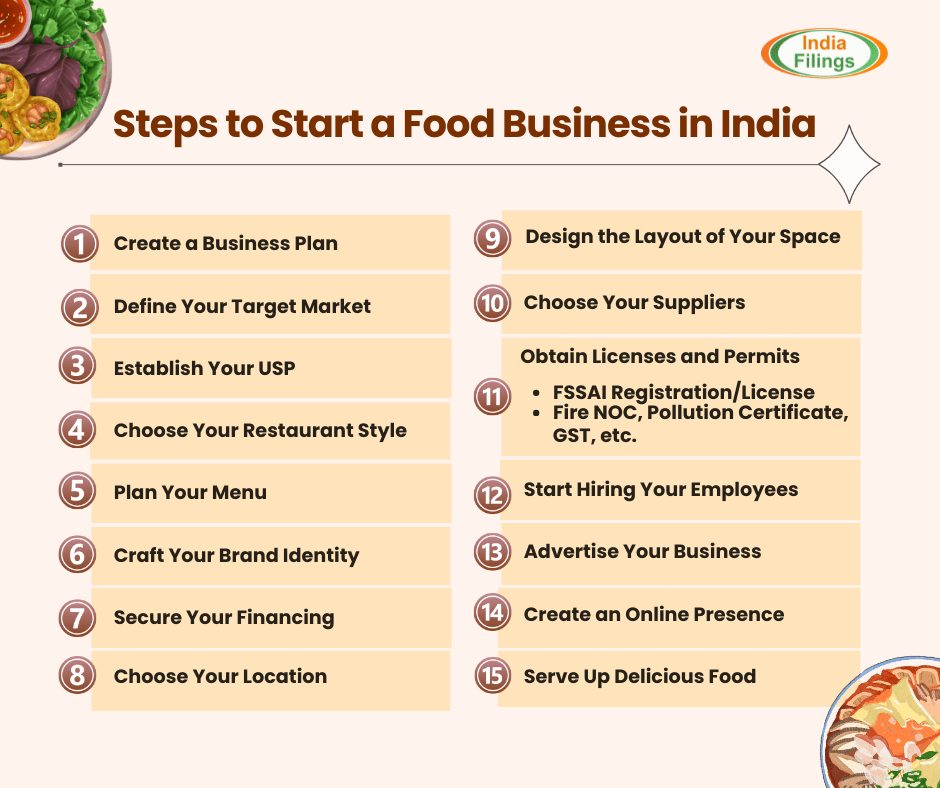
    Have you ever been told your secret salsa recipe should be on store shelves, or that your custom cakes are professional-grade? Turning your culinary passion into a paycheck is a dream for many, but the leap from “home cook” to “entrepreneur” requires a solid roadmap. To successfully start a home-based food business, you need more than just talent; you need to navigate legal requirements, kitchen logistics, and brand marketing. This guide will walk you through the essential steps to transform your kitchen into a profitable headquarters, ensuring you meet safety standards while delighting customers with your unique flavors.


    1. Research Local Cottage Food Laws

    Before cracking an egg, check your state’s “Cottage Food Laws.” These regulations determine which foods you can legally sell from a home kitchen—usually non-perishables like baked goods or jams—and set annual income limits for home-based operators.

    2. Define Your Culinary Niche

    Don’t try to feed everyone. Specialize in a specific niche, such as vegan pastries, gluten-free snacks, or artisanal hot sauces. A focused niche makes it easier to market your brand and helps you stand out in a crowded local food scene.

    3. Create a Formal Business Plan

    A business plan acts as your North Star. Outline your startup costs, target audience, pricing strategy, and growth goals. Mapping this out early helps you identify potential financial hurdles and ensures you have a sustainable path toward profitability.

    4. Register Your Business Name

    Choose a name that is memorable, easy to spell, and reflects your food style. Once decided, register it as an LLC or Sole Proprietorship to protect your personal assets and establish professional credibility with your suppliers and customers.

    5. Obtain Necessary Permits and Licenses

    Even for home businesses, you likely need a general business license and a food handler’s permit. Some jurisdictions also require a “Home Occupation Permit” to ensure your residential area allows for commercial activity from your specific address.

    6. Set Up a Dedicated Kitchen Space

    Organization is vital for efficiency. Dedicate specific shelves, utensils, and equipment solely for your business. Keeping your professional supplies separate from your personal groceries helps with inventory tracking and maintains the high hygiene standards required for food safety.

    7. Source High-Quality Ingredients

    Your product is only as good as what goes into it. Build relationships with local farmers or wholesale distributors to get fresh, high-quality ingredients at a lower cost. Consistency in your sourcing ensures that your customers get the same taste every time.

    8. Master Food Safety and Hygiene

    Foodborne illness can end a business overnight. Implement strict hygiene protocols, including regular temperature checks for your fridge, frequent handwashing, and proper sanitization of surfaces. Always stay updated on local health department guidelines to remain fully compliant.

    9. Design Professional Packaging

    First impressions matter. Invest in packaging that keeps your food fresh and reflects your brand’s aesthetic. Ensure all labels comply with FDA requirements, including ingredient lists, allergen warnings, and the net weight of the product.

    10. Perfect Your Pricing Strategy

    Calculate the cost of every ingredient, your labor, packaging, and utilities. Add a profit margin that allows for growth. Many beginners undercharge; remember that your time and expertise are valuable components of the final price.

    11. Create a Signature Brand Identity

    A great logo and consistent color palette help people recognize your food. Whether you’re “rustic and organic” or “modern and bold,” your branding should tell a story that resonates with your target demographic and builds emotional loyalty.

    12. Build a Simple, Functional Website

    In today’s market, you need a digital storefront. Use platforms like Shopify or Squarespace to showcase your menu, take pre-orders, and process payments securely. A professional website builds trust and makes it easier for customers to find you.

    13. Leverage Social Media Marketing

    Instagram and TikTok are visual goldmines for food businesses. Post high-quality photos of your process, “behind-the-scenes” videos, and customer testimonials. Engaging with your followers builds a community around your brand and drives local sales.

    14. Establish Local Delivery Logistics

    Decide how your food will reach customers. Will you offer local pickup, personal delivery, or ship via mail? If delivering, factor in gas costs and ensure you have insulated bags to keep temperature-sensitive items fresh during transit.

    15. Network at Farmers’ Markets

    Farmers’ markets are excellent for testing your products and getting immediate feedback. They provide face-to-face interaction with customers and help you build a local reputation before scaling up to larger retail or online operations.

    16. Manage Your Finances Diligently

    Keep a separate bank account for your business. Track every expense and sale using software like QuickBooks or a simple spreadsheet. Clear records make tax season much easier and help you understand which products are your biggest earners.

    17. Request and Use Customer Feedback

    Ask your early customers for honest reviews. Use this data to tweak your recipes, adjust your packaging, or improve your delivery times. Constant improvement based on real-world input is the fastest way to achieve long-term success.

    18. Plan for Scalability

    Think about the future. If demand triples, can your home kitchen handle it? Identify local commercial “ghost kitchens” or co-packing facilities you might move into once you outgrow your home space to ensure a smooth transition.


    SEO Meta Description

    Learn how to start a home-based food business with our comprehensive guide. From cottage food laws to branding and permits, turn your kitchen into a success.

    Focus Keywords

    • Start a home-based food business
    • Cottage food laws
    • Food business permits
    • Home kitchen entrepreneur
    • Selling food from home
    • Food business plan
    • Food marketing tips

    FAQ Section

    Q: Do I need a commercial kitchen to sell food? A: Not necessarily. Many states have “Cottage Food Laws” that allow individuals to sell low-risk items like bread and cookies directly from their home kitchens, though specific rules vary by location.

    Q: What are the most profitable foods to sell from home? A: High-margin items like specialty baked goods, custom cakes, dried herbs, and gourmet popcorn are popular choices because they have a long shelf life and low ingredient costs.

    Q: How do I handle taxes for a home food business? A: You should track all income and expenses separately from your personal finances. It is highly recommended to consult with an accountant to understand self-employment taxes and potential home-office deductions.

    Internal Linking Suggestions

    1. Top 10 Essential Kitchen Tools for Professional Baking
    2. How to Photograph Food Like a Pro Using Your Smartphone
    3. The Ultimate Guide to Food Packaging and Sustainability

    Conclusion

    Building a successful venture from your kitchen is a rewarding journey that blends creativity with commerce. When you start a home-based food business, focusing on legal compliance, food safety, and consistent branding sets a professional foundation. While the initial steps require patience and research, the ability to share your culinary passion with the world is well worth the effort. Stay organized, keep cooking, and watch your small kitchen dream grow into a thriving reality.

  • Essential Spices for Every Kitchen: The 10 Must-Have Spices

    Essential Spices for Every Kitchen: The 10 Must-Have Spices

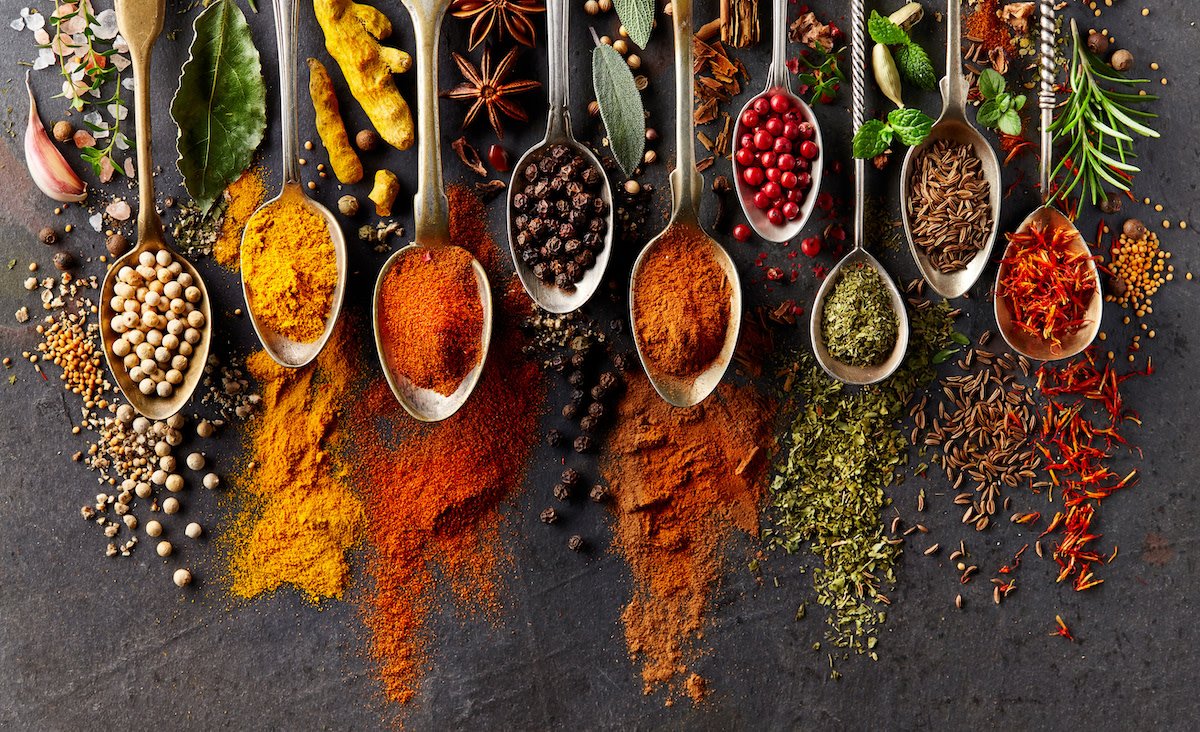
    Walking into a kitchen without a well-stocked spice rack is like trying to paint a masterpiece with only black and white ink. Spices are the soul of cooking, transforming humble ingredients into extraordinary meals with just a pinch or a dash. Whether you are a beginner cook or a seasoned home chef, knowing the essential spices for every kitchen is the first step toward culinary independence. These ten must-have spices provide a foundation for global flavors, offering heat, depth, and aromatic warmth. Let’s explore the pantry staples that will elevate your cooking from bland to brilliant and ensure your dishes always pack a flavorful punch.


    1. Black Peppercorns: The King of Spices

    Freshly cracked black pepper provides a sharp, woody heat that pre-ground versions simply cannot match. It is the most fundamental of the essential spices for every kitchen, acting as a flavor enhancer for meats, vegetables, and even some unexpected desserts like strawberries or chocolate.

    2. Fine Sea Salt or Kosher Salt

    While technically a mineral, salt is the most vital seasoning you own. It doesn’t just make food salty; it unlocks the chemical compounds of other ingredients, making flavors pop. Use Kosher salt for seasoning meat and fine sea salt for baking and general stovetop cooking.

    3. Cumin: The Earthy Foundation

    Cumin is indispensable for Mexican, Middle Eastern, and Indian cuisines. Its warm, nutty, and slightly smoky profile adds instant depth to chili, taco seasoning, and curries. For the best flavor, buy whole seeds and toast them briefly in a dry pan before grinding.

    4. Smoked Paprika: Instant Depth

    Unlike its sweet or hot cousins, smoked paprika (Pimentón) offers a rich, oak-smoked aroma. It provides a beautiful red hue and a campfire-like depth to roasted potatoes, deviled eggs, and dry rubs without requiring hours of slow-cooking or actual wood smoke.

    5. Cinnamon: More Than Just Dessert

    While famous for snickerdoodles and pumpkin lattes, cinnamon is a powerhouse in savory dishes. A small pinch adds a mysterious warmth to Moroccan tagines, Greek moussaka, and rich beef stews. It bridges the gap between sweet and savory perfectly in any spice collection.

    6. Garlic Powder: The Ultimate Convenience

    Fresh garlic is wonderful, but garlic powder is a kitchen workhorse for high-heat roasting and dry rubs where fresh cloves might burn. It distributes flavor evenly through sauces and coatings, providing that savory “umami” punch that makes everything taste more professional.

    7. Dried Oregano: The Herbaceous Staple

    Oregano is one of the few herbs that often tastes better dried than fresh. Its pungent, slightly bitter, and earthy flavor is the backbone of Italian-American and Greek cooking. It is the secret to a great pizza sauce and a classic vinaigrette.

    8. Crushed Red Pepper Flakes

    If you enjoy a bit of heat, red pepper flakes are a must. They allow you to control the spice level of a dish easily. Sprinkle them into hot oil at the start of a sauté to infuse the entire meal with a gentle, lingering warmth.

    9. Turmeric: The Golden Healer

    Turmeric is prized for its vibrant yellow color and mild, earthy bitterness. While famous for its health benefits, it is also essential for authentic-tasting curries and rice dishes. A little goes a long way in providing a beautiful glow and a subtle aromatic base.

    10. Ground Ginger: Zesty and Sharp

    Ground ginger provides a spicy, floral note that is more concentrated than fresh ginger. It is a staple in Asian-inspired stir-fries, gingersnaps, and warm winter beverages. It adds a refreshing “zing” that cuts through the richness of heavy meats or sweet glazes.

    11. Storing Spices for Maximum Potency

    To keep your essential spices for every kitchen fresh, store them in a cool, dark place away from the stove. Heat and light are the enemies of flavor, causing the volatile oils in your spices to dissipate quickly, leaving them tasting like sawdust.

    12. Buying Whole vs. Ground

    Whenever possible, buy whole spices like peppercorns, cumin seeds, and coriander. Whole spices have a much longer shelf life and provide a vastly superior flavor profile when toasted and ground immediately before use compared to pre-ground powders that have sat on shelves.

    13. The Art of Toasting Spices

    Toasting whole spices in a dry skillet for 2–3 minutes over medium heat “awakens” their essential oils. You will know they are ready when they become incredibly fragrant. This simple step can make a $5 grocery store meal taste like a gourmet restaurant dish.

    14. Creating Your Own Spice Blends

    Once you have these ten essentials, you can stop buying expensive pre-made mixes. Combine cumin, paprika, and garlic powder for a taco seasoning, or mix cinnamon and ginger for a baking spice. Creating your own blends allows you to control the salt and heat levels.

    15. Checking for Spices’ Freshness

    Spices don’t necessarily “go bad” in a way that makes you sick, but they do lose potency. Perform a “sniff test”: if you rub a bit of the spice in your palm and can’t smell a strong aroma, it’s time to replace it.

    16. Organizing Your Spice Drawer

    A well-organized spice rack encourages creativity. Group your spices by cuisine or frequency of use. If your essential spices for every kitchen are easy to reach and see, you are more likely to experiment with new flavor combinations while cooking.

    17. The Importance of Layering Spices

    Don’t just season at the end. Add hearty spices like cumin and turmeric early in the cooking process to build a base. Save delicate spices or finishing salts for the very end to preserve their bright, punchy characteristics and nuanced aromas.

    18. Using Spices in Liquid Bases

    Spices are often fat-soluble, meaning their flavor expands best when cooked in oil or butter. When making a soup or stew, sauté your spices with your onions and garlic before adding the broth to ensure the flavor permeates the entire liquid base.

    19. Balancing Flavors with Spices

    If a dish feels “flat,” it might need more than just salt. A pinch of cinnamon can add warmth to a sour sauce, while a dash of ginger can brighten up a heavy, fatty dish. Spices are the tools used to achieve a balanced palate.

    20. Essential Tools for Spice Lovers

    To make the most of your spices, invest in a small mortar and pestle or a dedicated electric spice grinder. These tools allow you to process whole seeds into fresh powder in seconds, ensuring that the flavor remains at its absolute peak.


    SEO Meta Description

    Discover the 10 essential spices for every kitchen that every home cook needs. Learn how to store, use, and blend these must-have spices to elevate your cooking.

    Focus Keywords

    • Essential spices for every kitchen
    • Must-have spices
    • Kitchen pantry staples
    • Spice rack essentials
    • Best spices for cooking
    • How to use spices

    FAQ Section

    Q: How long do dried spices actually last? A: Generally, ground spices last 6–12 months, while whole spices can stay fresh for 2–3 years if stored properly in airtight containers away from heat and light.

    Q: Can I substitute fresh herbs for dried spices? A: Yes, but the ratio matters. Dried spices and herbs are more concentrated. Use 1 teaspoon of dried spices for every 1 tablespoon of fresh herbs called for in a recipe.

    Q: What is the best way to organize a spice rack? A: Organize them by frequency of use or alphabetically. The key is visibility; if you can see your essential spices for every kitchen, you will use them more often.

    Internal Linking Suggestions

    1. How to Build a Professional Pantry from Scratch: A guide to the grains, oils, and canned goods that complement your spice collection.
    2. The Beginner’s Guide to International Cuisines: Understanding which spices define flavors from around the globe.
    3. 5 Homemade Spice Blends to Replace Store-Bought Jars: Easy recipes for taco seasoning, curry powder, and more using your 10 essential spices.

    Conclusion

    Mastering the use of these ten essential spices for every kitchen is the fastest way to improve your cooking. By keeping these staples on hand, you gain the ability to cook almost any dish from any culture with confidence. Remember to buy in small quantities, store them correctly, and don’t be afraid to experiment. With a well-stocked spice rack, you have everything you need to turn simple ingredients into unforgettable meals.