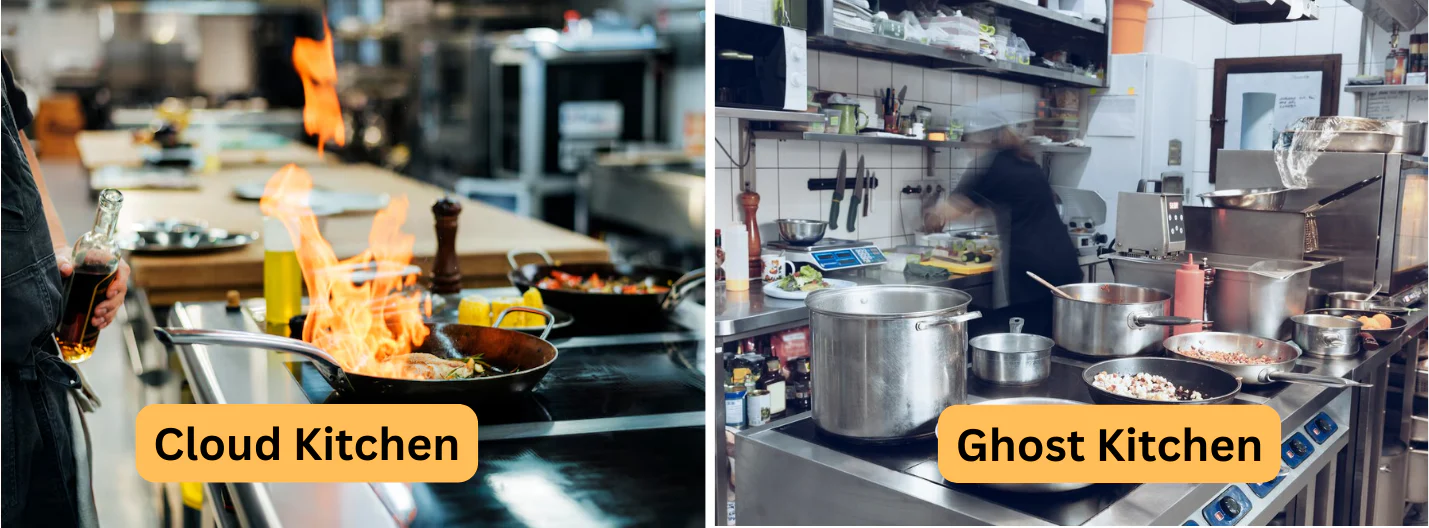
The culinary world is undergoing a massive transformation, leaving entrepreneurs to face a critical choice: Ghost Kitchen vs. Restaurant. While traditional brick-and-mortar establishments offer the charm of hospitality and brand presence, ghost kitchens—also known as dark kitchens—focus strictly on delivery, cutting out the dining room entirely. This shift is driven by changing consumer habits and the rising costs of real estate. Deciding which model is better depends on your capital, long-term goals, and how much you value direct customer interaction. In this guide, we’ll break down the nuances of both to help you choose the right path for your food business.
1. Understanding the Ghost Kitchen Concept
A ghost kitchen is a professional food preparation facility without a dining room or walk-in service. It functions solely for delivery orders placed through apps. This model eliminates the need for front-of-house staff, expensive interior design, and prime retail storefronts, focusing entirely on kitchen efficiency.
2. The Traditional Restaurant Experience
Traditional restaurants prioritize the “dine-in” experience, offering a physical space for customers to gather. This model relies on atmosphere, service, and location to build brand loyalty. It allows for higher profit margins on items like alcohol and provides immediate feedback from customers during their meal.
3. Lower Startup Costs in Ghost Kitchens
One of the biggest draws of a ghost kitchen is the low entry barrier. You don’t need to invest in furniture, decor, or high-end lighting. Most ghost kitchens are located in industrial areas where rent is significantly cheaper than a busy downtown street corner.
4. High Real Estate Demands for Restaurants
A successful traditional restaurant usually requires a “Triple A” location with high foot traffic. This comes with astronomical rent, security deposits, and long-term leases. The physical footprint must accommodate both a kitchen and a spacious dining area, driving up initial overhead.
5. Labor Cost Efficiency
Ghost kitchens require far fewer employees. You only need a back-of-house team to cook and package food. Without servers, hosts, or bartenders, your payroll is significantly lighter, allowing you to focus your budget on culinary talent and high-quality ingredients.
6. The Hospitality Element
The “soul” of the food industry often lives in traditional restaurants. The ability to provide table service and a welcoming environment creates an emotional connection with guests. Ghost kitchens lack this personal touch, making it harder to build a “neighborhood favorite” reputation.
7. Speed of Market Entry
You can launch a ghost kitchen in weeks rather than months. Since there are no dining room permits, liquor licenses (usually), or complex interior build-outs, you can test a menu and start generating revenue almost immediately compared to the lengthy construction of a restaurant.
8. Prime Branding Opportunities
A physical restaurant serves as a living billboard. People walking by see your sign, smell the food, and see happy customers. This organic marketing is powerful. Ghost kitchens are invisible to the public, meaning your entire brand existence depends on digital marketing.
9. Delivery Platform Dependency
Ghost kitchens are often at the mercy of third-party delivery apps like UberEats or DoorDash. These platforms take a significant commission—often 20% to 30%—which can eat into the savings gained from lower rent. Restaurants can mitigate this with direct walk-in traffic.
10. Flexibility and Menu Testing
Ghost kitchens offer incredible agility. If a taco concept isn’t working, you can pivot to a burger brand overnight without changing signage or decor. This “plug-and-play” nature allows entrepreneurs to experiment with multiple virtual brands from a single kitchen space.
11. Customer Data and Analytics
Operating digitally allows ghost kitchens to collect vast amounts of data. You can track exactly what people order, when they order, and how often they return. Traditional restaurants often struggle to capture this level of detail without sophisticated loyalty programs or reservation systems.
12. Quality Control During Transit
In a restaurant, the food travels 20 feet from the kitchen to the table. In a ghost kitchen, it might travel 20 minutes in a backpack. Ensuring food quality, temperature, and presentation remains high during delivery is a major challenge for the ghost kitchen model.
13. Scaling and Expansion
Scaling a ghost kitchen is relatively simple. Once you have a winning menu, you can rent space in another delivery hub in a different city. Expanding a traditional restaurant involves massive capital, new permits, and finding another perfect physical location.
14. Alcohol Sales and Profitability
Traditional restaurants thrive on high-margin alcohol sales. A bottle of wine or a craft cocktail can significantly boost the average check size. While some regions allow alcohol delivery, ghost kitchens generally miss out on this lucrative revenue stream.
15. Operational Complexity
Running a full-service restaurant is incredibly complex, involving interior maintenance, staff management, and guest relations. Ghost kitchens streamline operations by focusing on a single workflow: receiving an order, cooking it, and handing it to a driver. It’s a leaner, more focused business.
16. The Risk of High Competition
Because the barrier to entry is lower for ghost kitchens, the digital marketplace is crowded. You aren’t just competing with the deli next door; you’re competing with every food brand on the app. This makes standing out through photography and reviews essential.
SEO Meta Description
Compare Ghost Kitchen vs. Restaurant models. Learn about startup costs, labor efficiency, and branding to decide which food business model is right for you.
Focus Keywords
- Ghost Kitchen vs. Restaurant
- Virtual kitchen business model
- Food delivery trends 2026
- Restaurant startup costs
- Cloud kitchen benefits
FAQ Section
Q: Is a ghost kitchen more profitable than a restaurant? A: It can be, due to lower overhead and labor costs. However, high delivery app commissions and the need for heavy digital marketing spend can offset these savings.
Q: Can I run multiple brands out of one ghost kitchen? A: Yes! This is a major advantage. You can operate a pizza brand and a wing brand from the same space to maximize your ingredient use and reach more customers.
Q: Do I need a special license for a ghost kitchen? A: Requirements vary by location, but you generally need a health permit and a business license, just like a regular restaurant, though you may skip certain public-facing permits.
Internal Linking Suggestions
- Top 10 Delivery Packaging Ideas to Keep Food Fresh (Focus: Quality control)
- How to Market Your Virtual Brand on Social Media (Focus: Digital presence)
- The Essential Commercial Kitchen Equipment Checklist (Focus: Operations)
Conclusion
Choosing between a Ghost Kitchen vs. Restaurant ultimately depends on your vision. If you crave the fast-paced world of hospitality and building a community landmark, the traditional restaurant is unbeatable. However, if you are data-driven and want to minimize financial risk while maximizing delivery reach, the ghost kitchen is the future. Both models require a passion for great food and a sharp eye on margins to succeed in today’s competitive landscape.
Leave a Reply