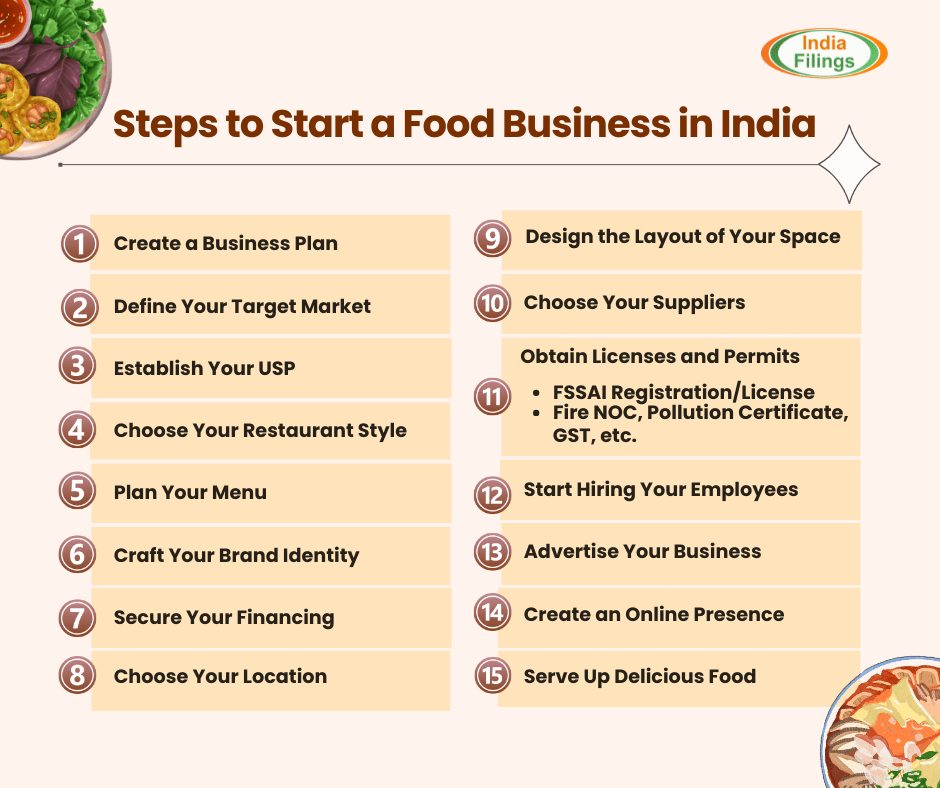
Have you ever been told your secret salsa recipe should be on store shelves, or that your custom cakes are professional-grade? Turning your culinary passion into a paycheck is a dream for many, but the leap from “home cook” to “entrepreneur” requires a solid roadmap. To successfully start a home-based food business, you need more than just talent; you need to navigate legal requirements, kitchen logistics, and brand marketing. This guide will walk you through the essential steps to transform your kitchen into a profitable headquarters, ensuring you meet safety standards while delighting customers with your unique flavors.
1. Research Local Cottage Food Laws
Before cracking an egg, check your state’s “Cottage Food Laws.” These regulations determine which foods you can legally sell from a home kitchen—usually non-perishables like baked goods or jams—and set annual income limits for home-based operators.
2. Define Your Culinary Niche
Don’t try to feed everyone. Specialize in a specific niche, such as vegan pastries, gluten-free snacks, or artisanal hot sauces. A focused niche makes it easier to market your brand and helps you stand out in a crowded local food scene.
3. Create a Formal Business Plan
A business plan acts as your North Star. Outline your startup costs, target audience, pricing strategy, and growth goals. Mapping this out early helps you identify potential financial hurdles and ensures you have a sustainable path toward profitability.
4. Register Your Business Name
Choose a name that is memorable, easy to spell, and reflects your food style. Once decided, register it as an LLC or Sole Proprietorship to protect your personal assets and establish professional credibility with your suppliers and customers.
5. Obtain Necessary Permits and Licenses
Even for home businesses, you likely need a general business license and a food handler’s permit. Some jurisdictions also require a “Home Occupation Permit” to ensure your residential area allows for commercial activity from your specific address.
6. Set Up a Dedicated Kitchen Space
Organization is vital for efficiency. Dedicate specific shelves, utensils, and equipment solely for your business. Keeping your professional supplies separate from your personal groceries helps with inventory tracking and maintains the high hygiene standards required for food safety.
7. Source High-Quality Ingredients
Your product is only as good as what goes into it. Build relationships with local farmers or wholesale distributors to get fresh, high-quality ingredients at a lower cost. Consistency in your sourcing ensures that your customers get the same taste every time.
8. Master Food Safety and Hygiene
Foodborne illness can end a business overnight. Implement strict hygiene protocols, including regular temperature checks for your fridge, frequent handwashing, and proper sanitization of surfaces. Always stay updated on local health department guidelines to remain fully compliant.
9. Design Professional Packaging
First impressions matter. Invest in packaging that keeps your food fresh and reflects your brand’s aesthetic. Ensure all labels comply with FDA requirements, including ingredient lists, allergen warnings, and the net weight of the product.
10. Perfect Your Pricing Strategy
Calculate the cost of every ingredient, your labor, packaging, and utilities. Add a profit margin that allows for growth. Many beginners undercharge; remember that your time and expertise are valuable components of the final price.
11. Create a Signature Brand Identity
A great logo and consistent color palette help people recognize your food. Whether you’re “rustic and organic” or “modern and bold,” your branding should tell a story that resonates with your target demographic and builds emotional loyalty.
12. Build a Simple, Functional Website
In today’s market, you need a digital storefront. Use platforms like Shopify or Squarespace to showcase your menu, take pre-orders, and process payments securely. A professional website builds trust and makes it easier for customers to find you.
13. Leverage Social Media Marketing
Instagram and TikTok are visual goldmines for food businesses. Post high-quality photos of your process, “behind-the-scenes” videos, and customer testimonials. Engaging with your followers builds a community around your brand and drives local sales.
14. Establish Local Delivery Logistics
Decide how your food will reach customers. Will you offer local pickup, personal delivery, or ship via mail? If delivering, factor in gas costs and ensure you have insulated bags to keep temperature-sensitive items fresh during transit.
15. Network at Farmers’ Markets
Farmers’ markets are excellent for testing your products and getting immediate feedback. They provide face-to-face interaction with customers and help you build a local reputation before scaling up to larger retail or online operations.
16. Manage Your Finances Diligently
Keep a separate bank account for your business. Track every expense and sale using software like QuickBooks or a simple spreadsheet. Clear records make tax season much easier and help you understand which products are your biggest earners.
17. Request and Use Customer Feedback
Ask your early customers for honest reviews. Use this data to tweak your recipes, adjust your packaging, or improve your delivery times. Constant improvement based on real-world input is the fastest way to achieve long-term success.
18. Plan for Scalability
Think about the future. If demand triples, can your home kitchen handle it? Identify local commercial “ghost kitchens” or co-packing facilities you might move into once you outgrow your home space to ensure a smooth transition.
SEO Meta Description
Learn how to start a home-based food business with our comprehensive guide. From cottage food laws to branding and permits, turn your kitchen into a success.
Focus Keywords
- Start a home-based food business
- Cottage food laws
- Food business permits
- Home kitchen entrepreneur
- Selling food from home
- Food business plan
- Food marketing tips
FAQ Section
Q: Do I need a commercial kitchen to sell food? A: Not necessarily. Many states have “Cottage Food Laws” that allow individuals to sell low-risk items like bread and cookies directly from their home kitchens, though specific rules vary by location.
Q: What are the most profitable foods to sell from home? A: High-margin items like specialty baked goods, custom cakes, dried herbs, and gourmet popcorn are popular choices because they have a long shelf life and low ingredient costs.
Q: How do I handle taxes for a home food business? A: You should track all income and expenses separately from your personal finances. It is highly recommended to consult with an accountant to understand self-employment taxes and potential home-office deductions.
Internal Linking Suggestions
- Top 10 Essential Kitchen Tools for Professional Baking
- How to Photograph Food Like a Pro Using Your Smartphone
- The Ultimate Guide to Food Packaging and Sustainability
Conclusion
Building a successful venture from your kitchen is a rewarding journey that blends creativity with commerce. When you start a home-based food business, focusing on legal compliance, food safety, and consistent branding sets a professional foundation. While the initial steps require patience and research, the ability to share your culinary passion with the world is well worth the effort. Stay organized, keep cooking, and watch your small kitchen dream grow into a thriving reality.
Leave a Reply